
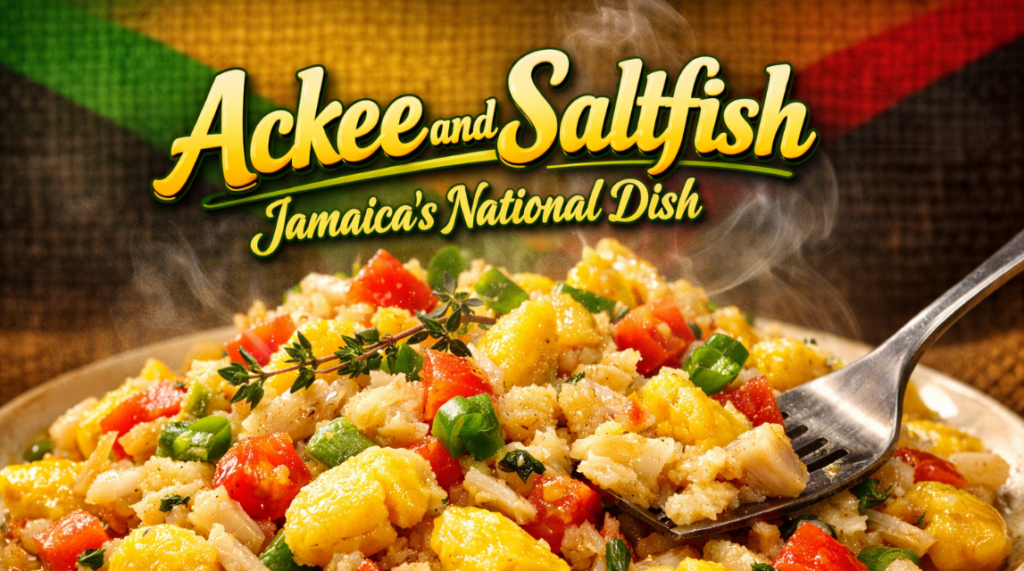
If you’ve ever wondered what is ackee and saltfish, you’re about to discover far more than just a traditional breakfast plate. Jamaica’s national dish is colorful, fragrant, and deeply rooted in history, blending buttery ackee fruit with savory salted cod to create a meal that reflects resilience, cultural fusion, and island pride. For anyone curious about Jamaican food history, hoping to bring Caribbean vibes into a special gathering, or searching for a restaurant that serves authentic island flavors, this iconic dish is the perfect place to begin.
Ackee and saltfish is more than a meal—it’s a symbol of Jamaica’s journey. Once you understand its origins, ingredients, and preparation, you’ll see why it continues to hold a cherished place on tables across the island and in Caribbean kitchens worldwide.
The Origins of Ackee: From West Africa to the Caribbean
The star ingredient, ackee, did not originate in Jamaica. The fruit was brought to the island from West Africa in the late 18th century, likely during the transatlantic trade period. It comes from the tree Blighia sapida, named after Captain William Bligh, who transported the plant to the Caribbean in 1793.
Over time, ackee thrived in Jamaica’s tropical climate. What began as an imported fruit became deeply embedded in Jamaican identity. The transformation of ackee into a beloved national staple reflects how Jamaican cuisine evolved—blending African, European, and Caribbean influences into something uniquely its own.
Saltfish, on the other hand, reflects colonial trade routes. Salted cod was imported from North America and Europe because salting preserved the fish during long sea voyages. Affordable and long-lasting, it became a dietary staple for many Jamaicans.
Together, ackee and saltfish symbolize the fusion of Africa and Europe on Caribbean soil—a culinary story of adaptation, survival, and creativity.
What Is Ackee and Saltfish?
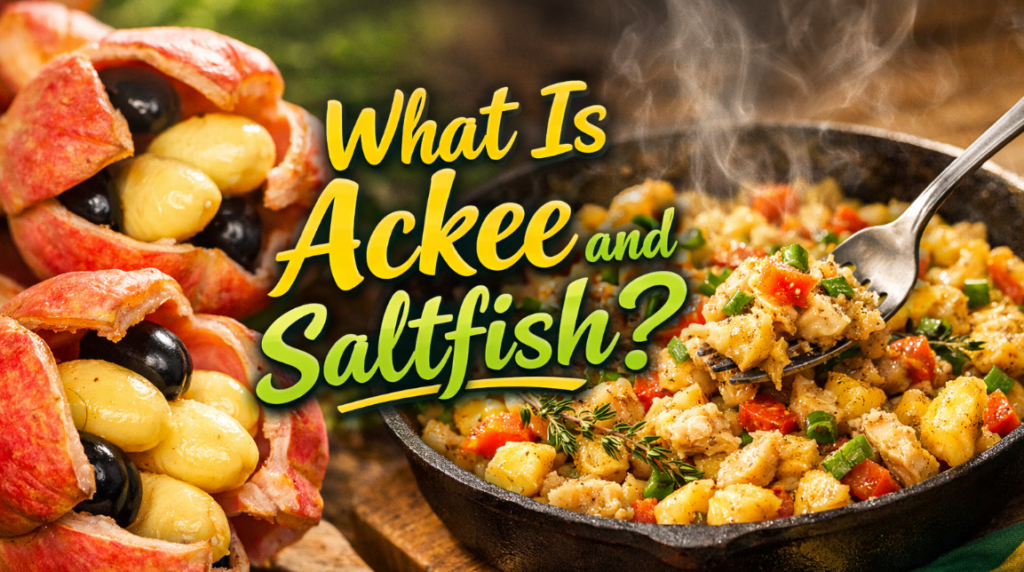
Ackee and saltfish captivates as Jamaica’s national dish, where creamy ackee fruit meets flaky salted cod in a breakfast staple that tells a story of resilience, flavor, and island heritage.
Getting to Know Ackee: Jamaica’s Unique National Fruit
Ackee is a bright red fruit that grows in clusters on evergreen trees. When fully ripe, the fruit naturally opens to reveal three large black seeds surrounded by soft, yellow flesh called arils.
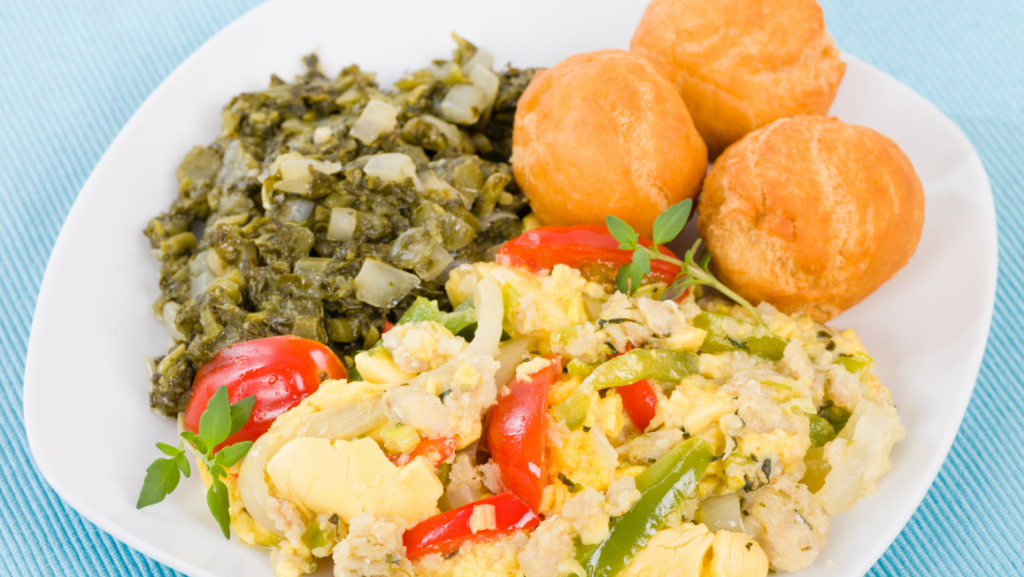
Once cooked, ackee has a mild, buttery flavor and a texture that resembles scrambled eggs. This is why the finished dish often looks similar to eggs mixed with fish, though it’s entirely different in taste and cultural significance.
Important Safety Note
Ackee must be handled properly. Unripe ackee contains toxins that can cause serious illness. Only the fully opened fruit is safe to eat. Traditionally, Jamaicans wait until the fruit splits naturally on the tree before harvesting it.
For those outside Jamaica, canned ackee is widely available and is the safest option when preparing the dish at home.
Understanding Saltfish: The Savory Staple Behind the Dish
Saltfish typically refers to salted cod. Before cooking, it must be soaked in water to remove excess salt and then boiled to soften the flesh. Once prepared, it flakes easily and blends beautifully with seasonings and vegetables.
Salted cod became popular throughout the Caribbean because it was affordable and durable during shipping. Today, it remains a key ingredient not just in Jamaica but across many Caribbean cuisines.
How Ackee and Saltfish Is Traditionally Prepared
Authentic ackee and saltfish is simple yet layered with flavor. While recipes may vary slightly by household, the core preparation includes:
- Boiled and flaked saltfish
- Cooked ackee
- Sautéed onions
- Tomatoes
- Scotch bonnet pepper
- Thyme
- Bell peppers
- Black pepper
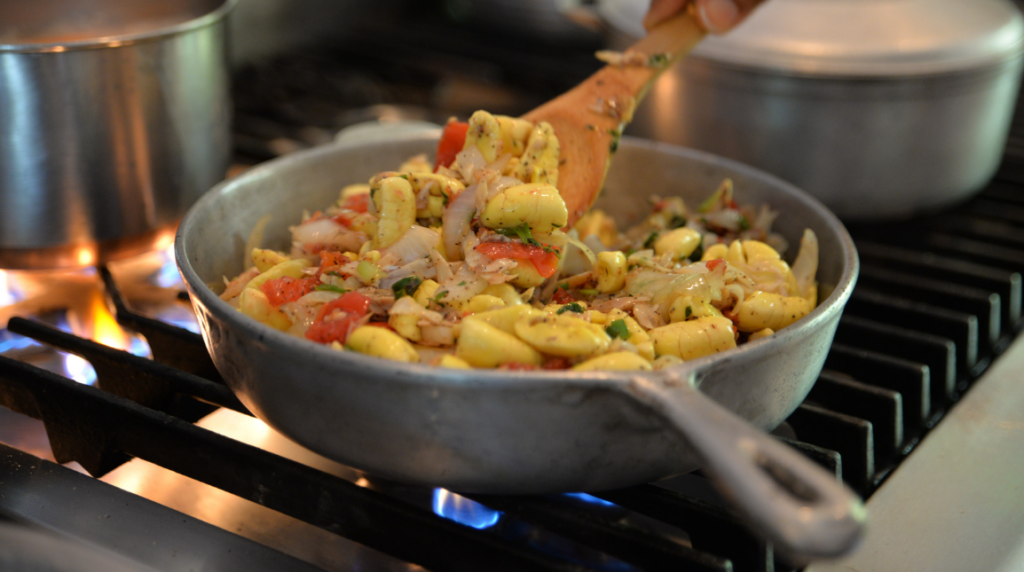
The aromatics are sautéed first, then the saltfish is added and lightly cooked. Finally, the ackee is gently folded in to avoid breaking its delicate texture. The goal is to combine flavors without turning the ackee mushy.
The result is savory, slightly salty, mildly spicy, and incredibly satisfying.
When Do Jamaicans Eat Ackee and Saltfish?
Although often served for breakfast, ackee and saltfish is enjoyed any time of day. It’s commonly paired with:
- Fried dumplings
- Boiled green bananas
- Roasted breadfruit
- Festivals (sweet fried dough)
- White rice
It’s also a staple during holidays and special gatherings. For many Jamaicans, it represents comfort, nostalgia, and connection to home.
Why Is It Jamaica’s National Dish?
Jamaica officially recognizes ackee and saltfish as its national dish because it embodies the island’s cultural identity. The combination reflects the blending of influences that shaped Jamaican society—African heritage, European trade, and Caribbean agriculture.
Unlike dishes that originate entirely in one place, ackee and saltfish tells a layered story. It represents resilience, creativity, and the ability to transform limited resources into something extraordinary.
The Flavor Profile: What Does It Taste Like?
For those trying it for the first time, ackee and saltfish can be surprising.
- Ackee: Mild, creamy, slightly nutty
- Saltfish: Salty, flaky, savory
- Seasonings: Aromatic, slightly spicy, fresh
The magic lies in balance. The richness of ackee softens the saltiness of the fish, while peppers and herbs add brightness. It’s not overpowering; instead, it’s comforting and layered.
Bringing Jamaican Vibes to Your Table
For readers who want to incorporate Jamaican vibes into their next gathering, ackee and saltfish can be a stunning centerpiece. Here’s how to do it authentically:
1. Pair It With Traditional Sides
Serve with fried plantains, rice and peas, or festival to create a full island experience.
2. Use Bold, Fresh Seasonings
Fresh thyme, scallions, and Scotch bonnet pepper make a noticeable difference.
3. Create a Caribbean Atmosphere
Music from artists like Bob Marley, vibrant table linens, and tropical fruit drinks help set the mood.
4. Offer It Family-Style
Jamaican meals are often communal. Serving dishes in the center of the table encourages connection and conversation.
Can You Make Ackee and Saltfish at Home?
Absolutely. Here’s a simplified step-by-step overview:
- Soak saltfish overnight or boil it twice to remove excess salt.
- Sauté onions, tomatoes, bell peppers, thyme, and Scotch bonnet.
- Add flaked saltfish and cook briefly.
- Gently fold in drained canned ackee.
- Simmer lightly for a few minutes.
Avoid over-stirring, as ackee is delicate.
For beginners, using canned ackee and pre-soaked saltfish simplifies the process.
How to Choose a Restaurant for Authentic Ackee and Saltfish
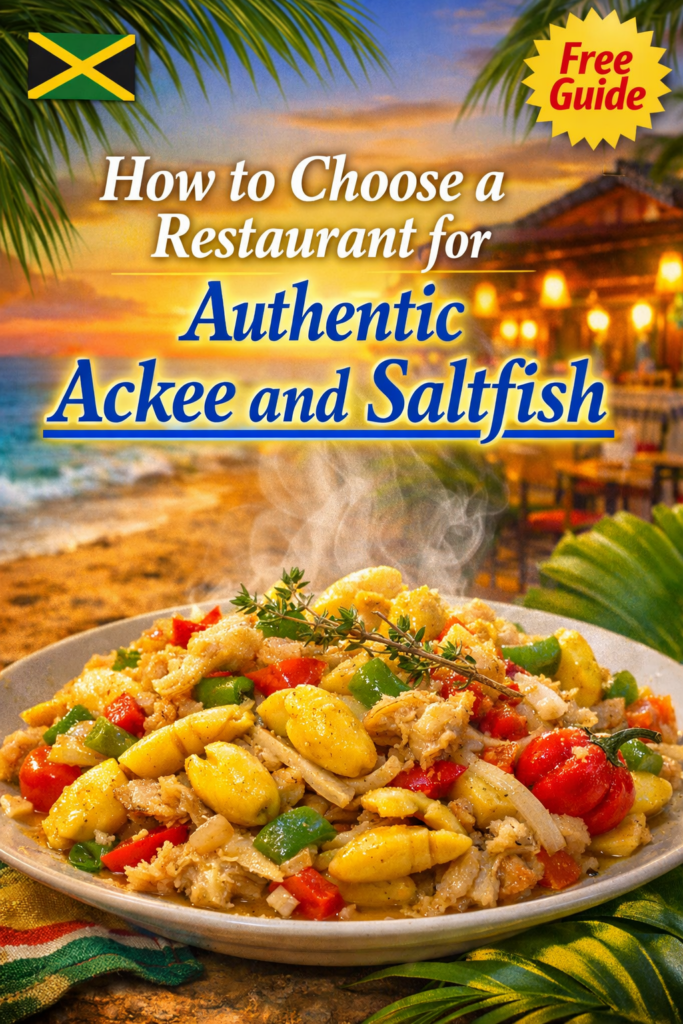
If cooking feels intimidating, finding a restaurant that serves authentic Jamaican cuisine may be the better route. Here’s what to look for:
1. Cultural Authenticity
Is the menu rooted in traditional recipes? Does it include classic sides like fried dumplings and callaloo?
2. Fresh Ingredients
Ackee should look firm and vibrant—not mushy.
3. Balanced Flavor
The dish should not be overly salty. Properly prepared saltfish is well-soaked and balanced.
4. Atmosphere
Authentic Jamaican dining isn’t just about food—it’s about warmth, music, and hospitality.
The Global Rise of Jamaican Cuisine
Thanks to migration and cultural exchange, Jamaican cuisine has spread worldwide. Cities like New York City, London, and Toronto have vibrant Caribbean food scenes.
Ackee and saltfish remains a flagship dish in these communities, representing pride and heritage.
As interest in global cuisines continues to grow, more people are discovering the richness of Jamaican flavors—and ackee and saltfish often serves as the gateway.
Common Questions About Ackee and Saltfish
Is Ackee Safe to Eat?
Yes, when fully ripe or purchased canned from reputable brands.
Is the Dish Very Spicy?
Not necessarily. Scotch bonnet adds heat, but the spice level can be adjusted.
Is It Served Only for Breakfast?
No. It’s enjoyed throughout the day.
Is It Healthy?
Ackee contains healthy fats, fiber, and vitamin C. When prepared with moderate oil and properly soaked saltfish, it can be part of a balanced diet.
Why Trying Ackee and Saltfish Matters
Food connects people to culture in ways history books cannot. Tasting ackee and saltfish offers insight into Jamaica’s journey—from African roots to colonial influence to modern global pride.
It’s a dish shaped by necessity, transformed by creativity, and preserved by tradition.
For those wanting to explore Jamaican food history, recreate island vibes at home, or discover authentic Caribbean dining, ackee and saltfish is the perfect introduction.
Final Thoughts: Experience the Flavor for Yourself
Ackee and saltfish is not just Jamaica’s national dish—it’s a culinary story of resilience, fusion, and cultural pride. Its creamy texture, savory depth, and vibrant seasoning capture the heart of the island in every bite.
For those ready to experience authentic Jamaican flavors without the guesswork, visiting a restaurant that understands tradition makes all the difference. Kingston 7 Jamaican Cuisine offers guests the opportunity to savor ackee and saltfish prepared with care, authenticity, and true island spirit. Whether dining in or sharing a meal with family and friends, it’s a chance to immerse yourself in genuine Jamaican vibes—one delicious plate at a time.