
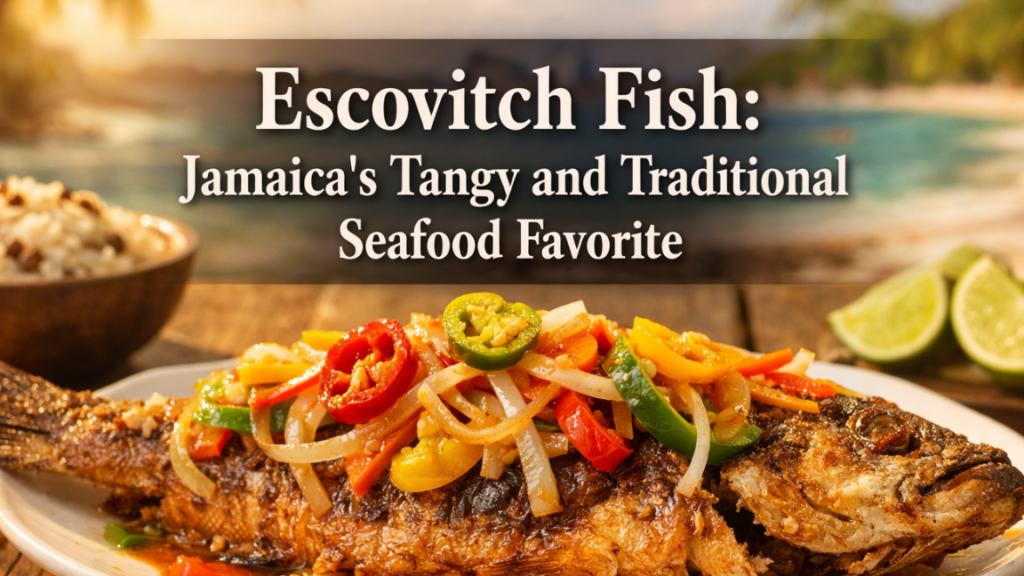
Jamaican cuisine is known for bold spices, vibrant colors, and dishes that tell stories of cultural blending. Among its most beloved seafood traditions is escovitch fish—a crispy, fried whole fish topped with a bright, tangy, and spicy pickled vegetable sauce. Deeply rooted in history and still widely enjoyed today, escovitch fish reflects Jamaica’s rich culinary heritage and its ability to transform simple ingredients into unforgettable flavor.
For anyone curious about Jamaican food history, hoping to bring island vibes to a gathering, or searching for a restaurant that delivers authentic Caribbean flavor, escovitch fish is a must-know classic.
What Is Escovitch Fish?
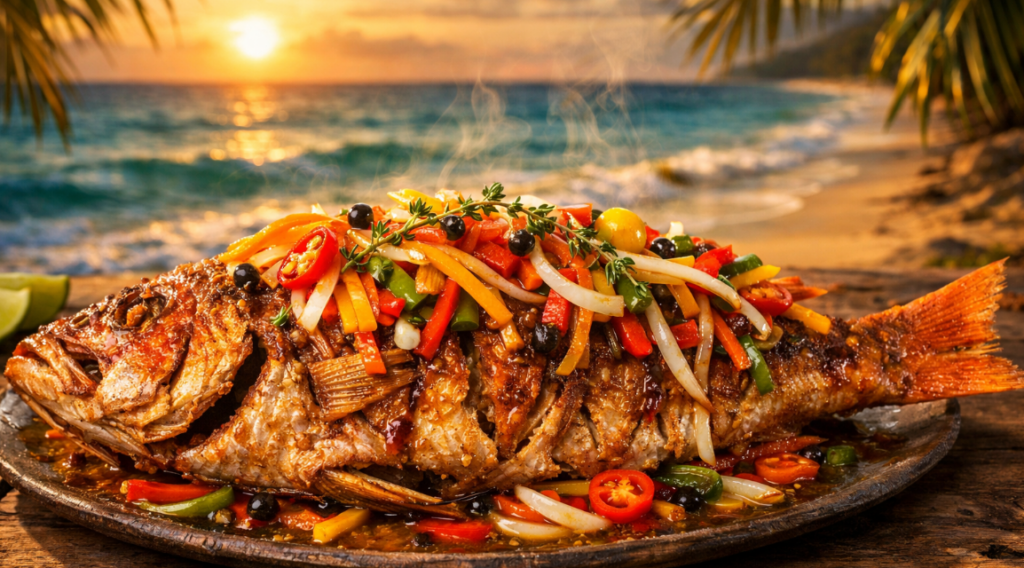
Escovitch fish is a traditional Jamaican dish made with whole fried fish—typically snapper—topped with a spicy vinegar-based dressing of julienned carrots, onions, Scotch bonnet peppers, and bell peppers.
The fish is seasoned simply, fried until crispy, and then crowned with the tangy vegetable mixture. The contrast is what makes it special:
- Crispy exterior
- Tender, flaky interior
- Sharp, pickled brightness
- A kick of heat
It’s vibrant, bold, and unmistakably Jamaican.
The History Behind Escovitch
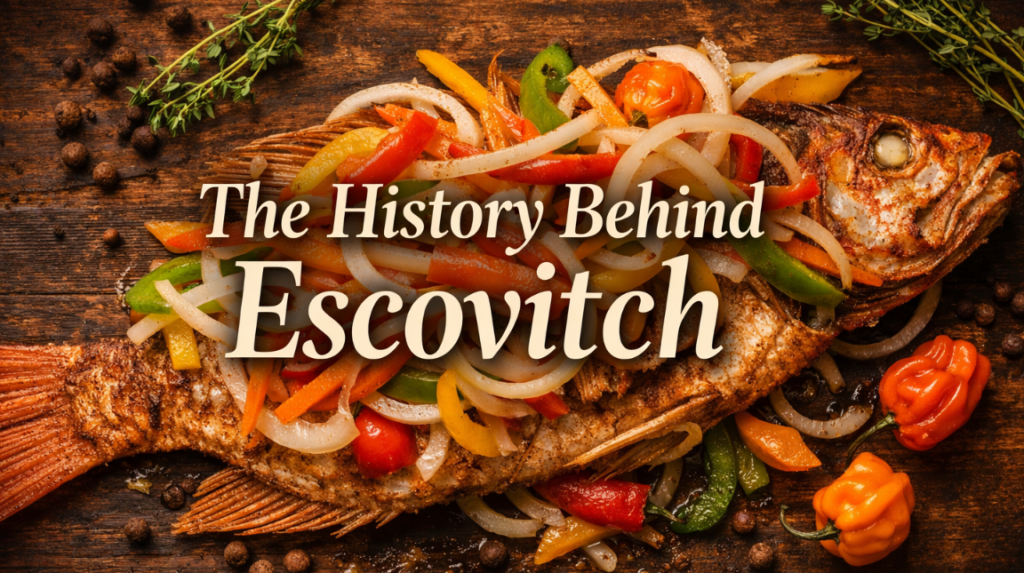
Escovitch fish traces its roots to Spanish and Mediterranean culinary traditions. The word “escovitch” is derived from the Spanish term escabeche, a method of preserving fish or meat in vinegar and spices.
When the Spanish colonized Jamaica in the 15th century, they introduced escabeche techniques to the island. Over time, African cooking methods and local Caribbean ingredients transformed the dish into something uniquely Jamaican.
Unlike the fully marinated Spanish version, Jamaican escovitch focuses on topping freshly fried fish with a hot, pickled sauce rather than soaking it for extended preservation. The result is brighter, fresher, and more immediate in flavor.
This evolution reflects Jamaica’s broader culinary story—layers of African, Spanish, British, and indigenous influences blending into something distinct.
Why Escovitch Fish Is So Popular in Jamaica
Escovitch fish is commonly served:
- On Good Friday (a strong Easter tradition)
- At beach outings
- During family gatherings
- At street food stalls
- In local restaurants
Because Jamaica is surrounded by the Caribbean Sea, fresh seafood is central to the island’s food culture. Snapper, parrotfish, and kingfish are frequently used.
The dish balances indulgence and freshness. Fried fish offers richness, while the vinegar-based topping cuts through the oil with acidity and spice.
The Key Ingredients
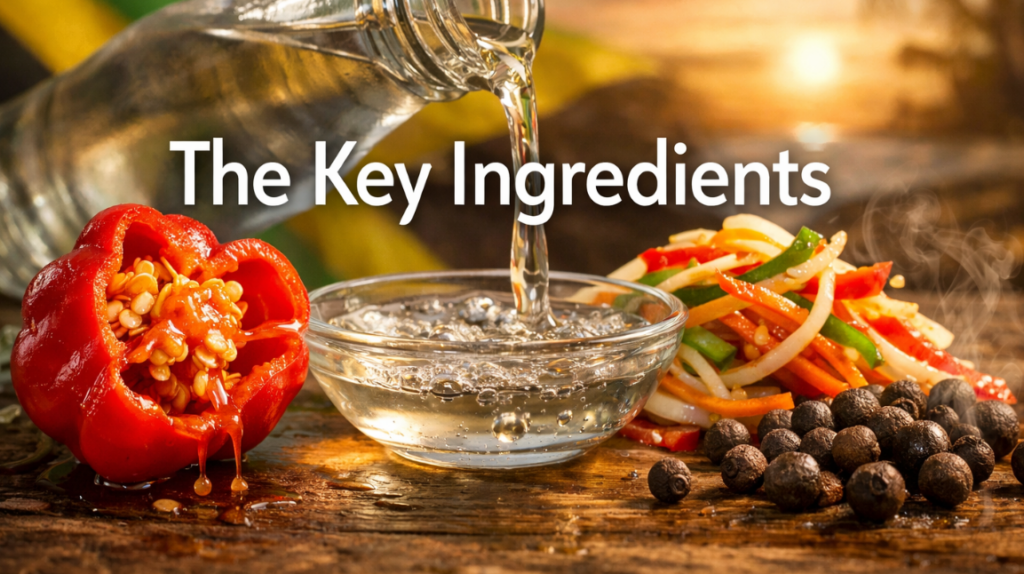
Authentic escovitch fish relies on a few essential components:
1. Whole Fish
Red snapper is the most traditional choice. Its firm flesh holds up well to frying and absorbs seasoning beautifully.
2. Scotch Bonnet Pepper
No true Jamaican escovitch is complete without Scotch bonnet. It delivers heat and a slightly fruity flavor.
3. Vinegar
White vinegar provides the signature tang.
4. Julienned Vegetables
Carrots, onions, and bell peppers add crunch, sweetness, and color.
5. Allspice (Pimento)
Allspice berries are often included in the pickling liquid, adding warmth and depth.
How Escovitch Fish Is Traditionally Prepared
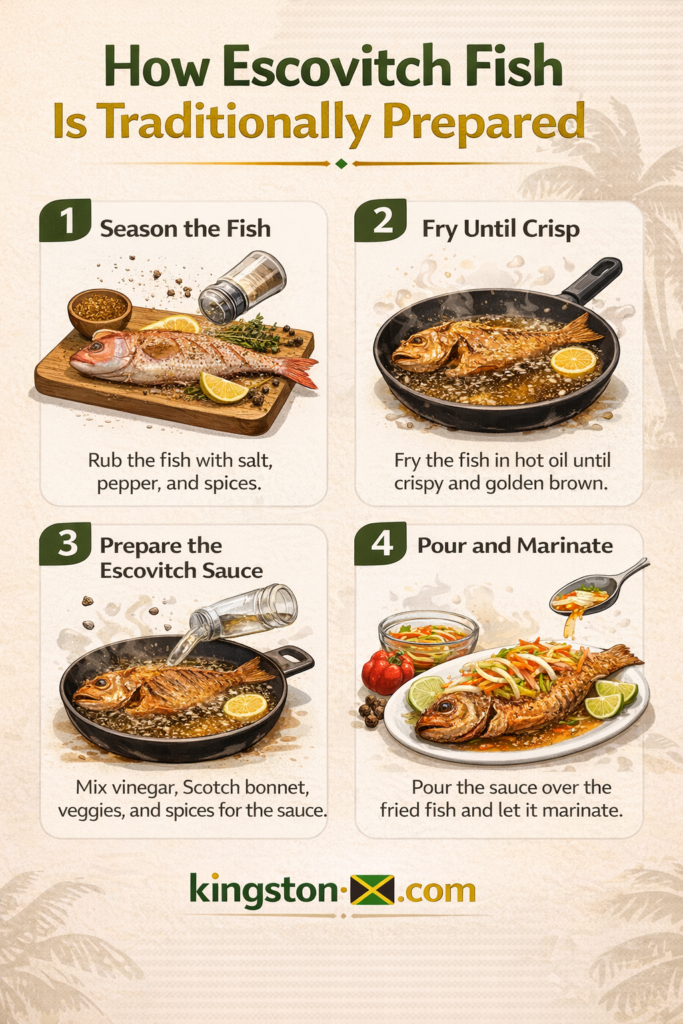
Here’s a simplified look at the preparation process:
Step 1: Season the Fish
The fish is cleaned, scored, and seasoned with salt, black pepper, and sometimes garlic.
Step 2: Fry Until Crisp
It’s deep-fried until golden brown and crispy on the outside.
Step 3: Prepare the Escovitch Sauce
Vinegar is heated with sliced vegetables, Scotch bonnet, allspice, and sometimes a pinch of sugar to balance acidity.
Step 4: Pour and Marinate
The hot pickled mixture is poured over the freshly fried fish.
Some prefer to let it sit briefly so flavors mingle; others enjoy it immediately for maximum crispness.
What Does Escovitch Fish Taste Like?
Escovitch fish is all about contrast:
- Crispy and crunchy from frying
- Bright and tangy from vinegar
- Sweet and sharp from vegetables
- Spicy and bold from Scotch bonnet
It wakes up the palate. The acidity cuts through richness, creating a balanced and refreshing bite.
For those new to Jamaican cuisine, escovitch fish is often more approachable than heavily spiced jerk dishes while still delivering unmistakable island flavor.
Cultural Significance and Good Friday Tradition
In many Jamaican households, escovitch fish is traditionally eaten on Good Friday. The Christian observance discourages meat consumption, so fish becomes the centerpiece of the meal.
This tradition highlights the British colonial influence on Jamaican religious practices, blending European customs with Caribbean culinary techniques.
Even outside religious observance, escovitch fish remains a celebratory and communal dish.
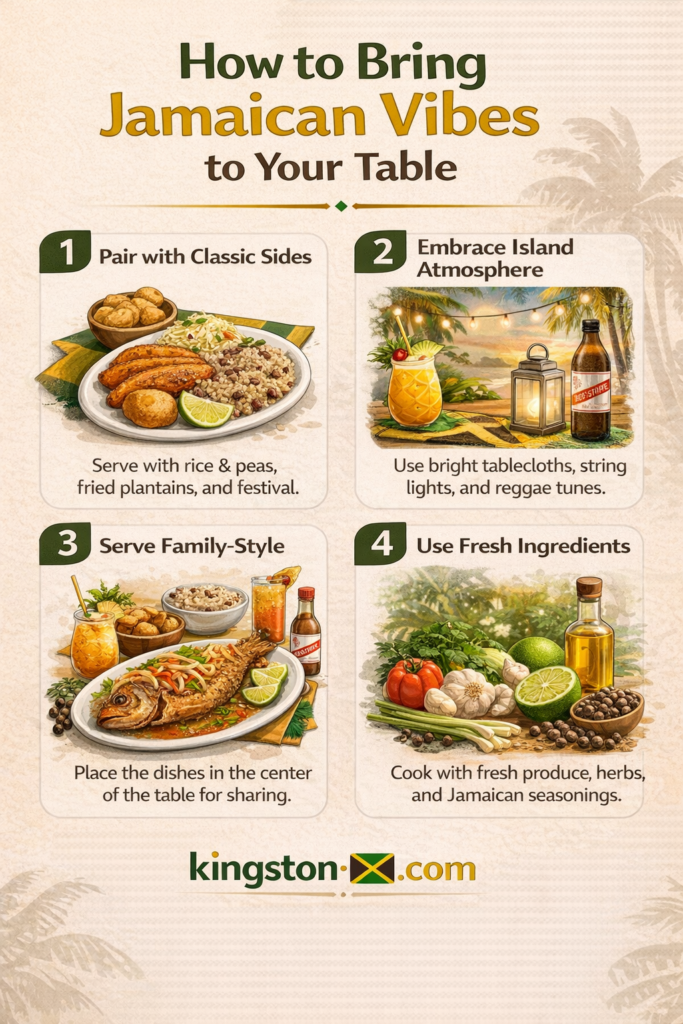
How to Bring Jamaican Vibes to Your Table
For readers looking to incorporate Jamaican flavors into a gathering, escovitch fish makes a stunning presentation.
1. Pair with Classic Sides
Serve alongside:
- Rice and peas
- Fried plantains
- Bammy (cassava flatbread)
- Festival (sweet fried dough)
2. Embrace Island Atmosphere
Music from artists like Bob Marley sets the tone instantly. Add tropical drinks like sorrel or ginger beer.
3. Serve Family-Style
Jamaican dining is communal. Large platters in the center encourage sharing and conversation.
4. Use Fresh Ingredients
Fresh fish and vibrant vegetables make all the difference. Quality elevates authenticity.
Can You Make Escovitch Fish at Home?
Yes—but it requires attention to detail.
Tips for Success:
- Dry the fish thoroughly before frying to ensure crisp skin.
- Score the fish to allow seasoning penetration.
- Heat oil properly (around 350–375°F) to avoid sogginess.
- Use thinly sliced vegetables for proper pickling texture.
- Balance vinegar and sugar so the sauce is tangy, not overpowering.
If frying whole fish feels intimidating, fish fillets can be used as a beginner-friendly alternative, though traditionalists prefer whole fish for flavor and presentation.
Finding Authentic Escovitch Fish at a Restaurant
If you prefer to experience it prepared by experts, here’s what to look for:
1. Crispness
The fish should be golden and crunchy—not greasy.
2. Balanced Sauce
The vinegar should be tangy but not overwhelmingly sour.
3. Fresh Heat
Scotch bonnet flavor should be bright and lively.
4. Traditional Presentation
Whole fish presentation is often a sign of authenticity.
Cities around the world—from New York City to Toronto—offer Jamaican restaurants, but the quality can vary. Look for establishments that specialize in traditional dishes rather than heavily Americanized versions.
The Global Appeal of Jamaican Seafood
As global interest in Caribbean cuisine grows, escovitch fish continues to gain popularity. Food lovers are drawn to bold flavors and heritage-driven dishes.
Alongside jerk chicken and ackee and saltfish, escovitch fish represents a cornerstone of Jamaican culinary identity.
Travelers visiting Kingston often list escovitch fish as a must-try meal. It’s frequently enjoyed at beachside cook shops, where fresh catch meets time-honored preparation.
Is Escovitch Fish Healthy?
When prepared traditionally, escovitch fish offers several benefits:
- Lean protein from fish
- Nutrient-rich vegetables
- Moderate oil absorption when fried correctly
For a lighter version, some cooks bake or air-fry the fish while keeping the signature escovitch topping intact.
The vinegar-based topping itself is low in calories and adds flavor without heavy sauces.
Common Questions About Escovitch Fish
Is it very spicy?
It can be, depending on the amount of Scotch bonnet used. Spice levels can be adjusted.
Can it be made ahead of time?
Yes, but crispness may soften as the sauce marinates. Some prefer this texture.
What fish works best?
Red snapper is traditional, but kingfish and parrotfish are also common in Jamaica.
Is it similar to ceviche?
Not quite. Ceviche uses raw fish cured in citrus. Escovitch uses fully fried fish topped with pickled vegetables.
Why Escovitch Fish Matters in Jamaican Food History
Escovitch fish reflects centuries of migration, colonization, adaptation, and creativity. Spanish preservation methods met African seasoning techniques, all shaped by Caribbean agriculture and island life.
It’s a dish born from cultural exchange yet distinctly Jamaican in flavor and execution.
To taste escovitch fish is to taste history—crispy, tangy, and vibrant.
Final Thoughts: Experience the Authentic Flavor
Escovitch fish is more than fried seafood—it’s a celebration of Jamaica’s culinary heritage. From its Spanish escabeche roots to its island transformation, it embodies the bold flavors and communal spirit that define Jamaican cuisine.
For those eager to experience true Jamaican vibes without leaving town, visiting a restaurant that honors tradition is the best way to start. Kingston 7 Jamaican Cuisine offers authentic escovitch fish prepared with vibrant seasoning, fresh ingredients, and genuine island flair. Whether you’re exploring Jamaican food history or simply craving something tangy and unforgettable, it’s an experience worth savoring.