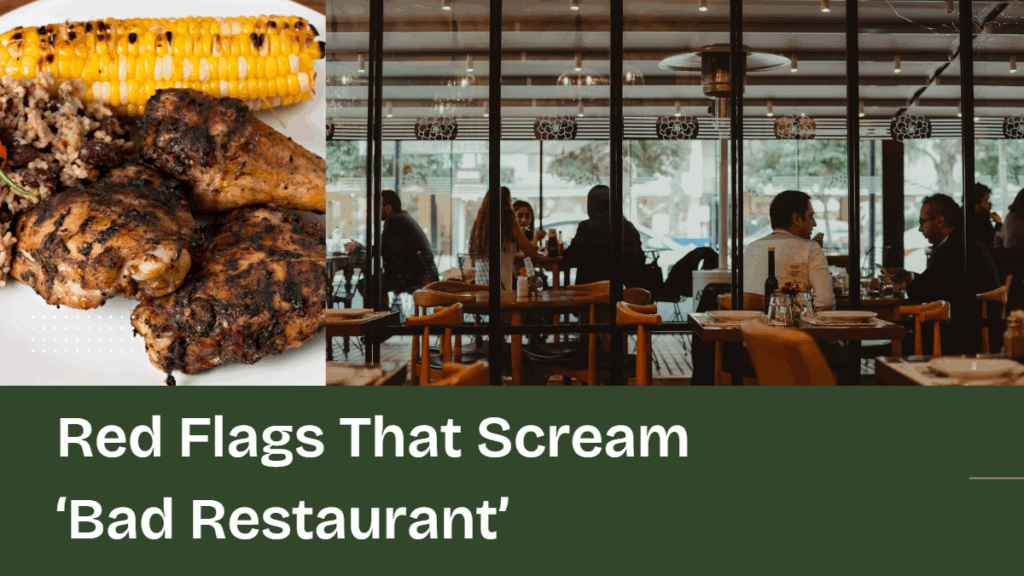
Dining out is meant to be a joy—good food, good vibes, and good company are simple pleasures that lift the spirit. Yet, sometimes what should be a sweet memory turns into a bitter dining disaster. Restaurant owners and industry insiders know that some establishments consistently leave customers smiling, while others leave them saying, “Never again.”
Spotting the red flags of a bad restaurant is not just about saving money—it’s also about protecting one’s health, mood, and overall experience. This guide explores the warning signs that indicate a bad restaurant, highlights what good restaurants do differently, and provides practical steps diners can take to ensure a safe and enjoyable meal.
The Importance of Spotting a Bad Restaurant Early
The truth is, when you walk into a restaurant, you don’t just eat food—you consume the entire experience. From the moment you step through the door, the hygiene, the atmosphere, the staff, and even the way the menu looks all tell a story about what’s happening behind the scenes.
And yes, first impressions matter. If the entryway looks neglected, chances are the kitchen isn’t getting much more love. If the staff seems disorganized before you even order, you can bet the same energy is carrying over to your plate.
Questions diners often ask:
- Does a messy dining area mean the kitchen is messy too? — Not always, but it’s a strong indicator. A place that can’t keep its dining area clean is probably cutting corners elsewhere.
- Are vibes really connected to food quality? — Absolutely. Atmosphere affects the care and passion that goes into every dish.
Red Flags That Scream ‘Bad Restaurant’
Not every restaurant is what it seems at first glance. Sometimes, subtle signs can reveal bigger problems lurking behind the scenes—red flags that scream ‘bad restaurant.’
1. First Impressions Don’t Lie
When you pull up to a restaurant, the first thing you notice isn’t the food—it’s the environment. A dirty exterior, broken signage, or garbage piled by the entrance is a bad start. Inside, sticky floors, smelly air, and cluttered dining areas are another warning sign.
2. Restaurant Cleanliness (Or Lack Of It)
Bathrooms are the number one cleanliness test. If the restroom is grimy, with no soap or paper towels, you have every reason to believe the kitchen isn’t any better. Menus covered in grease, ketchup bottles with dried crust, and sticky tables are other giveaways.
👉 Dirty bathrooms = dirty habits in the kitchen.
3. The Smell Test
A restaurant should smell inviting. Freshly cooked food has a natural aroma, but sour, fishy, or chemical-like odors are signs of trouble.
- Seafood spots shouldn’t smell overwhelmingly “fishy.” That usually means the catch isn’t fresh.
- Strong bleach or chemical smells could mean they’re trying to cover up something worse.
👉 If your nose says no, trust it.
4. Poor Staff Behavior
Your servers and hosts are the face of the restaurant. If they’re rude, inattentive, or unhygienic—like touching hair and face before serving—it’s a reflection of management.
But here’s a key note: Sometimes staff are overwhelmed, not careless. You can tell the difference between a server who’s hustling hard but polite versus one who doesn’t care.
👉 A restaurant with poor service usually has poor food management too.
5. Menu Red Flags
Menus reveal a lot.
- Overloaded menus often mean food is frozen or pre-packaged. No chef can cook 100+ dishes from scratch and keep them fresh.
- Missing prices or vague descriptions are shady practices.
- Outdated menus with items “always out of stock” suggest poor planning.
👉 Smaller, focused menus usually mean fresher food.
6. Questionable Food Quality
When the food arrives, it should look and taste fresh. Warning signs include:
- Soggy vegetables or limp salad.
- Day-old bread or patties.
- Burnt jerk chicken drowning in sauce to hide poor flavor.
- Watery soups or stews with little seasoning.
👉 Fresh food doesn’t need tricks to taste good.
7. Unsafe Food Handling
This is one of the biggest dangers. Red flags include:
- Lukewarm food (hot dishes should be hot, cold dishes should be cold).
- Staff touching raw meat and then serving food without washing hands.
- Dirty buffets, unlabeled sauces, or self-serve stations with flies.
👉 Safe food = properly stored, cooked, and served at the right temperature.
8. Health Code Warnings
Even if you can’t see the kitchen, you can spot signs:
- Bugs or pests in dining areas.
- No food safety certificates visible.
- A restaurant that’s “cash only” and secretive may be dodging inspections.
👉 You can ask about inspection grades—good restaurants have nothing to hide.
9. Bad Atmosphere
A restaurant doesn’t need to be fancy, but it should feel welcoming.
- If the vibe is too loud, too chaotic, or too dim (to hide dirt), that’s not a good sign.
- Comfort matters—if you can’t relax, you can’t enjoy the food.
👉 A bad vibe usually means bad management priorities.
10. Price and Portion Tricks
Ever get a plate that looks like a snack, even though you paid for a meal? That’s a red flag. Other issues include:
- “Specials” that are just reheated leftovers.
- Overpriced dishes that don’t match the quality.
👉 Good restaurants give fair value, whether portions are big or small.
11. Negative Online Reviews
Reviews tell a story. One bad review doesn’t mean much, but consistent complaints about food poisoning, dirty spaces, or rude service are big red flags.
Fake reviews can be spotted—they sound too generic or too perfect.
👉 Trust patterns, not single reviews.
12. Billing Problems
Sneaky charges, wrong totals, and refusal to give receipts are all major red flags. While “cash only” isn’t always bad, it can be a sign the restaurant is cutting corners.
👉 Honest restaurants are transparent about prices.
13. Cultural Shortcuts (Fake Authenticity)
This one hurts my heart as a Jamaican restaurant owner. Some places claim cultural authenticity but cut corners:
- Using canned jerk sauce instead of real Scotch bonnet and pimento.
- Serving bland rice and peas with no coconut milk.
- Calling something “authentic” when it’s watered down to save money.
👉 Authenticity shows in flavor, freshness, and respect for the culture.
14. Ignoring Your Gut Instinct
If you sit down and something feels “off,” don’t ignore it. Whether it’s the smell, the vibe, or the way your food looks, trust your instincts.
👉 It’s better to leave hungry than to leave sick or disappointed.
What Good Restaurants Do Differently (The Green Flags)
Not every restaurant is bad. In fact, the good ones stand out by how much care they put into every detail:
- Cleanliness: Bathrooms, tables, and menus are spotless.
- Friendly staff: Servers are polite, attentive, and knowledgeable.
- Focused menus: Not too big, but every dish is done well.
- Fresh food: Meals taste homemade, not microwaved.
- Cultural pride: In my Jamaican restaurant, the aroma of thyme, scallion, and jerk spices greets you before the plate even arrives.
👉 A good restaurant makes you feel valued, respected, and satisfied.
Protect Yourself as a Diner
Remember, no restaurant is perfect. A small mistake isn’t the end of the world. But if you see multiple red flags, it’s best to walk away.
At the end of the day, dining out should bring joy, culture, and comfort. Whether you’re enjoying authentic Jamaican jerk chicken or trying a new cuisine, you deserve a safe, delicious, and memorable experience.
When it comes to enjoying a worry-free meal, choosing the right restaurant makes all the difference. We at Kingston 7 Jamaican Cuisine in Woodstock, Georgia, take pride in delivering not just authentic Jamaican flavors but also a dining experience you can trust. From spotless dining areas to freshly prepared meals made with quality ingredients, we make sure every visit is safe, satisfying, and full of the vibrant tastes of Jamaica. Our staff is trained to provide attentive service while maintaining the highest standards of hygiene and care. For an unforgettable Jamaican meal in a welcoming environment, contact us at [678-404-7320] and let us bring the heart of Kingston straight to your table.