Jamaican food is more than just a plate of bold flavors—it’s a living story of the island’s history, people, and culture. When most people think of Jamaican cuisine, jerk chicken and beef patties often come to mind. But there’s so much more simmering in our pots, roasting over open flames, and served on our tables than many realize.
At my Jamaican restaurant, I’ve seen countless visitors take their first bite and pause in surprise. “I didn’t know Jamaican food could taste like this!” they say. That’s because Jamaican cuisine is not just spicy, and it’s not just about one or two famous dishes—it’s a rich tapestry woven from African, European, Indian, Chinese, and Indigenous influences.
In this article, you’ll discover surprising facts about Jamaican food, uncover its health benefits, learn how it has traveled across the globe, and hopefully, gain a new respect for its authenticity. Whether you’re an adventurous foodie or just curious about Caribbean flavors, prepare to be delighted.
The Cultural Roots Behind Every Bite
Jamaican cuisine is a reflection of our island’s complex history. Long before tourists discovered our beaches, Jamaica was a meeting place of cultures.
- African heritage: African communities introduced time-honored cooking techniques such as slow smoking, rich seasoning of meats, and the use of fresh local herbs to create deep, unforgettable flavors.
- Taino influence: Jamaica’s first inhabitants, the Taino, introduced cassava bread (bammy) and methods for preserving meat and fish.
- European and Spanish touches: Salted fish, escovitch (vinegar-marinated fish), and pastries trace back to European settlers.
- Indian and Chinese contributions: Indentured laborers introduced curry spices, roti, and stir-fried vegetable techniques that transformed the island’s menu.
Every Jamaican dish is a chapter in our shared story. Even a humble plate of rice and peas reflects global heritage, simmered together in one pot.
The True Flavor Profile of Jamaican Cuisine
Many people think Jamaican food is only “spicy.” Yes, Scotch bonnet peppers pack heat, but the magic lies in balance and depth.
Signature ingredients:
- Pimento (allspice): Gives jerk seasoning its warm, smoky edge.
- Fresh thyme and escallion (green onion): Create layers of herbal fragrance.
- Coconut milk: Adds creamy sweetness to rice and stews.
- Ginger and nutmeg: Infuse both savory and sweet dishes with gentle spice.
Cooking techniques:
- Jerking: A slow-smoking method developed by the Maroons (escaped enslaved Africans) to preserve and flavor meat.
- Steaming and braising: Infuse root vegetables and meats with spice-rich broths.
- Wrapping in banana leaves: Adds earthiness and locks in moisture naturally.
This isn’t one-note heat—it’s sweet, smoky, savory, spicy, and tangy all in one bite.
Facts About Jamaican Food That May Surprise You
Here’s where we dig into some lesser-known truths about our island cuisine, showing how every dish carries history, culture, and flavor in ways you may never have expected.
1. Jerk is a technique, not just a spice rub.
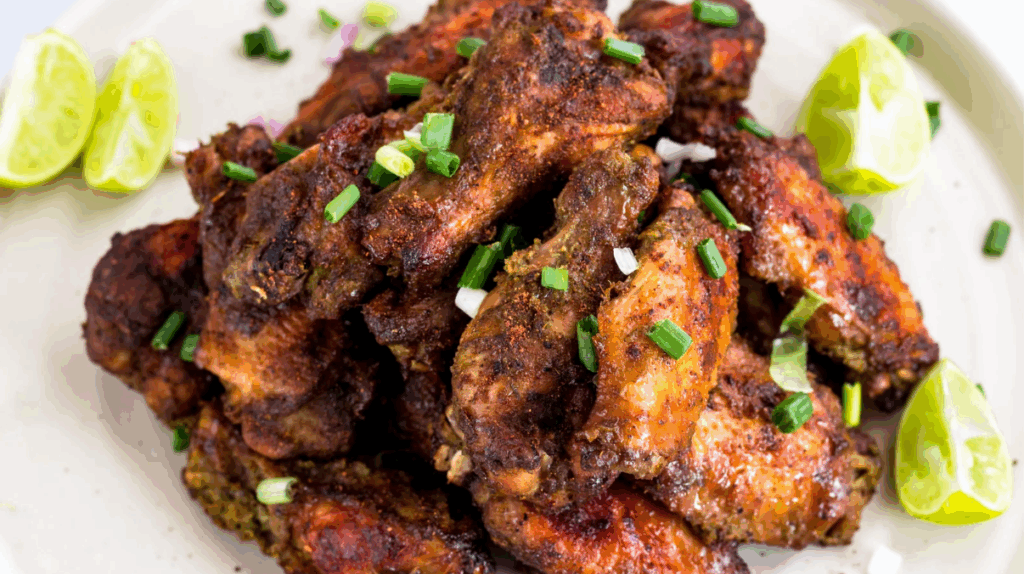
“Jerk chicken” isn’t simply chicken coated in seasoning—it’s meat slow-cooked over pimento wood, giving it a smoky depth and tender texture that can’t be rushed. The term “jerk” likely comes from the Spanish word charqui (dried meat), similar to “jerky,” and this method has been passed down for generations as a way to preserve flavor while locking in moisture.
2. Ackee is delicious—and dangerous if eaten unripe.
Ackee, Jamaica’s national fruit, looks like scrambled eggs when cooked and is paired with saltfish for our signature breakfast dish. However, it must open naturally on the tree before picking, or its toxins remain active, making careful preparation both a tradition and a necessity.
3. Jamaican patties are more than snacks.
Golden, flaky patties filled with spiced beef, chicken, or vegetables are so iconic that they’ve inspired fast-food chains worldwide. Still, nothing compares to a fresh, hand-crimped patty from a local Jamaican bakery, where the crust is perfectly crisp and the filling bursting with authentic seasoning.
4. Blue Mountain coffee is world-famous for a reason.
Grown high in the misty Blue Mountains, Jamaican Blue Mountain coffee is smooth, low-acid, and exceptionally rare. Its unique growing conditions produce a mild yet full-bodied flavor profile that coffee lovers around the globe happily pay top dollar to enjoy.
5. Curry goat reflects Indian heritage.
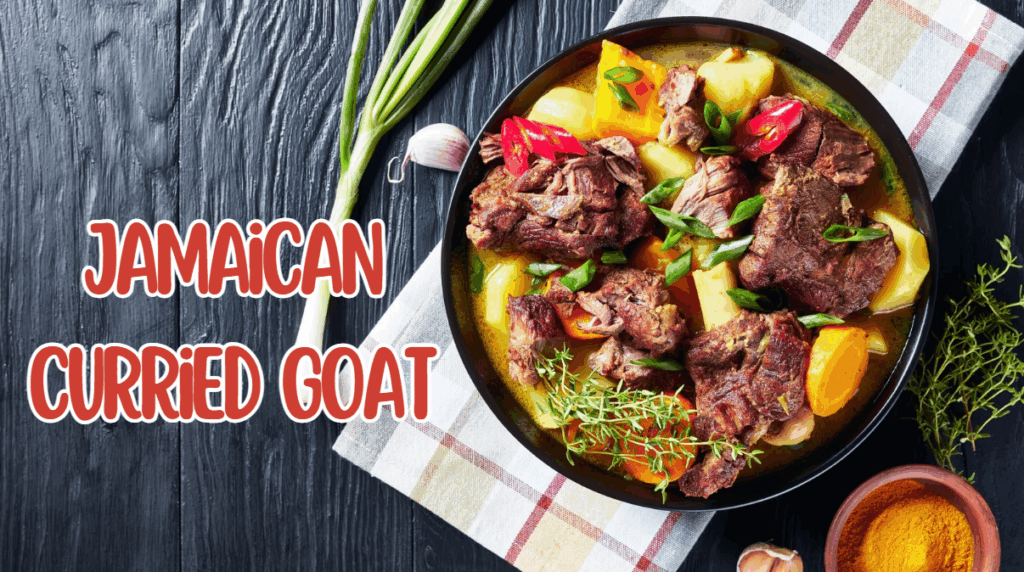
In the 1800s, Indian laborers brought curry spices to Jamaica, forever changing the island’s culinary landscape. Today, curry goat is more than just a dish—it’s a celebratory meal served at weddings, holidays, and family gatherings, prepared with love and long, slow cooking.
6. Bammy bread is older than the island’s name.
This flatbread, made from grated cassava, is a legacy of Jamaica’s first inhabitants, the Taino people. Lightly toasted and often served with fried fish, bammy carries ancient flavors that connect modern Jamaica to its indigenous roots.
7. Rum is for more than drinking.
Jamaica is home to some of the world’s finest rums, but our island doesn’t just sip it—we cook with it, too. Rum is used to soak dried fruits for months before baking traditional Christmas black cake or to glaze meats, adding depth and sweetness to savory dishes.
8. Escovitch fish shows Spanish influence.
This fried snapper dish, topped with a vibrant mix of vinegar, onions, and peppers, stays flavorful for days without refrigeration. The technique, dating back to Spanish colonial times, highlights how preservation and taste came together on the island long before modern cooling methods.
9. Ital food predates modern veganism.
The Rastafarian Ital diet—centered on fresh vegetables, fruits, and herbs—is plant-based and naturally wholesome, promoting vitality and balance. Long before “vegan” became a global trend, Ital principles celebrated eating foods in their purest, most natural state.
10. Jamaican street food is a culture of its own.
From pepper shrimp sold in paper cones to roasted corn on the roadside, Jamaica’s street eats are as authentic as any sit-down restaurant dish. These quick bites reflect the island’s lively spirit, bold flavors, and love of sharing food with friends and strangers alike.
Health, Freshness, and Local Ingredients
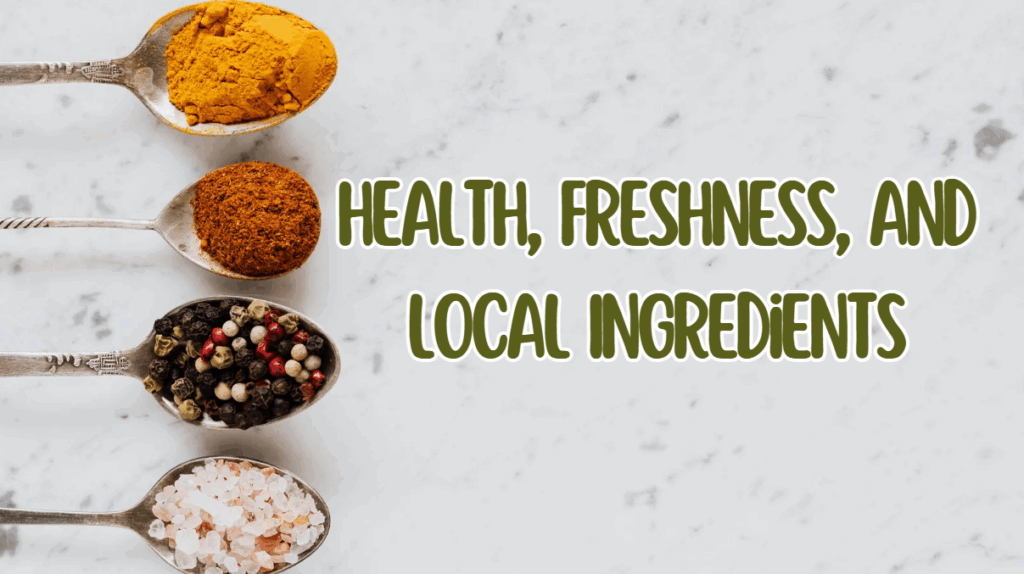
Jamaican food is often misunderstood as “greasy” or “unhealthy,” but nothing could be further from the truth when it’s prepared in its authentic, traditional way. These dishes are rooted in fresh ingredients, balanced flavors, and time-honored techniques that focus on nourishment as much as taste.
- Farm-to-table is our way of life: Freshly caught fish, tropical produce, and backyard herbs are staples, ensuring that every meal bursts with natural flavor and vibrant color straight from the island.
- Spices with benefits: Ginger aids digestion, thyme supports immunity, and Scotch bonnet peppers boost metabolism, making our seasonings as healthy as they are flavorful.
- Root vegetables and leafy greens: Yams, callaloo, dasheen, and breadfruit provide natural fiber, vitamins, and minerals, offering hearty sustenance with every bite.
- Natural cooking methods: Grilling, steaming, and slow-braising avoid excessive oils while locking in nutrients, giving dishes their signature taste without sacrificing health.
This isn’t fast food—it’s soul food made from scratch, prepared with love and respect for the land.
How Jamaican Food Has Gone Global
From London to New York to Tokyo, Jamaican restaurants are popping up everywhere. The world has fallen in love with jerk seasoning, patties, and tropical drinks—but authentic preparation makes all the difference.
- Fusion dishes: Jerk tacos, curry seafood pasta, or rum-glazed ribs show how Jamaican flavors inspire creativity.
- Celebrity chefs and food trucks: Famous names and pop-ups have introduced Caribbean cuisine to new audiences.
- Demand for authenticity: Diners now seek out real Jamaican chefs and restaurants rather than watered-down versions of island dishes.
When you search “authentic Jamaican restaurant near me” or “Caribbean food with real flavor,” you’re likely to find chefs who keep traditional methods alive while serving a modern crowd.
Conclusion: Why You Should Taste Jamaica for Yourself
Jamaican cuisine is a celebration of history, flavor, health, and innovation. It’s food that nourishes the body while telling a story—one bite at a time. From the smoky aroma of jerk chicken to the creamy richness of ackee and saltfish, every dish carries centuries of culture and love.
If you’ve only experienced Jamaican food through a takeout menu or a quick sample at a festival, it’s time to taste the real thing. Visit an authentic Jamaican restaurant, explore street food on your travels, or bring these flavors to your own kitchen.
Don’t just read about Jamaica’s bold flavors—come taste them. Your taste buds will thank you, and you’ll discover why this island cuisine has captured hearts around the world.
When you’re in Woodstock, Georgia and craving authentic Jamaican food, Kingston 7 Jamaican Cuisine is the place to be. Known for their reliable service, warm and attentive staff, and a menu packed with everything from classic jerk chicken to rich, flavorful curries, they make every guest feel like family. The moment you walk in, you’re greeted with an inviting island ambiance—bright, lively, and filled with the aroma of freshly prepared dishes. Whether you’re dining in, ordering takeout, or planning catering for a special event, Kingston 7 Jamaican Cuisine delivers consistency, flavor, and genuine hospitality.
Call 012-345-6789 today to experience Jamaican food done right—because at Kingston 7, every meal is a taste of the island itself.