
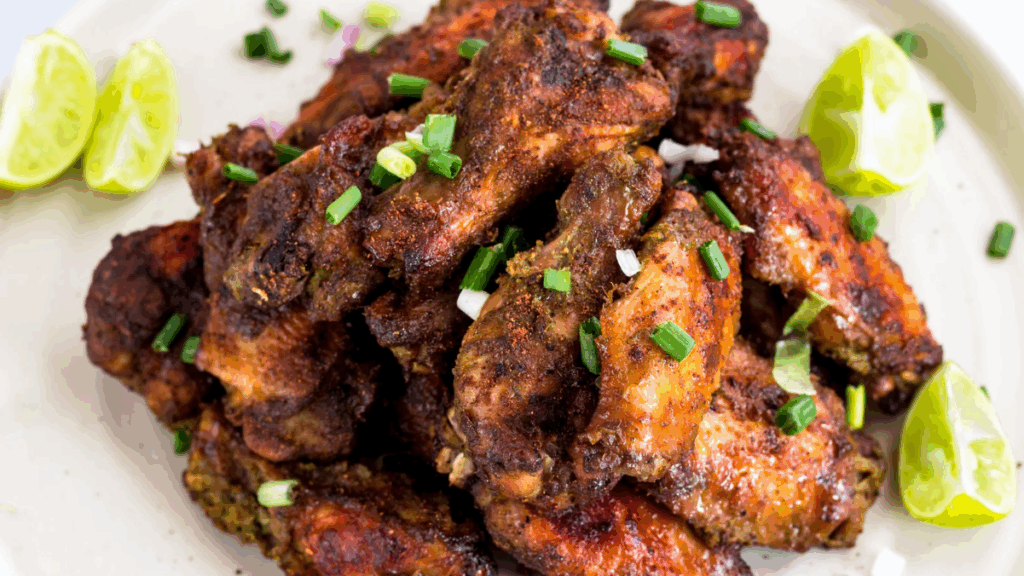
Walking through the streets of Jamaica, the smoky, spicy aroma of jerk immediately captures the senses. This iconic cooking style is more than a flavor—it is a reflection of culture, tradition, and creativity. The history of jerk reveals how generations of Jamaicans perfected this fiery method, turning it into a culinary symbol recognized around the world.
For those curious about Jamaican cuisine, understanding the history of jerk offers insight into its origins, techniques, and cultural significance. From Maroon communities to modern kitchens, the history of jerk continues to evolve, delighting taste buds while preserving a rich heritage that defines the island.
What is Jerk? Understanding the Basics
At its core, jerk is both a cooking technique and a seasoning style. The hallmark of jerk is a blend of bold spices, heat from Scotch bonnet peppers, and the deep, smoky aroma that comes from slow-cooking over pimento wood.
Key ingredients include:
- Scotch bonnet peppers – small but fiery, these peppers give jerk its signature heat.
- Allspice (pimento) – adds warmth, fragrance, and complexity.
- Thyme, garlic, ginger, and scallions – provide depth and balance to the flavor.
Traditionally, jerk is applied to chicken, pork, fish, and even goat, though chicken and pork remain the most popular proteins. Unlike typical grilling methods, jerk is a combination of marinating, slow-cooking, and smoking, creating layers of flavor that are simultaneously spicy, sweet, and aromatic.
For anyone trying jerk for the first time, the combination can be intense—but it’s also what makes it unforgettable.
History of Jerk: A Cultural Fusion
Understanding jerk requires looking back at Jamaica’s complex history. This cuisine is not just about flavor—it is a symbol of survival and resistance.
Indigenous Roots
The story begins with the Taino people, Jamaica’s indigenous population. They had techniques for smoking and preserving meat using natural spices and wood. These methods were practical for survival but also laid the groundwork for what would become jerk cooking.
African Influence
When enslaved Africans arrived in Jamaica, they brought with them rich culinary traditions and knowledge of spices. Among the most influential were the Maroons, communities of escaped enslaved people who settled in remote areas of Jamaica. They perfected jerk as a method to cook meat slowly over wood fires, both for flavor and to hide their food from colonial forces. The Maroons’ techniques included seasoning meat with locally available spices and smoking it over pimento wood, creating the distinctive jerk flavor we know today.
Colonial and Trade Influences
The colonial era introduced new ingredients and cooking tools to Jamaica, adding complexity to the existing methods. Through trade, Jamaicans gained access to spices like nutmeg, cinnamon, and clove. Over time, jerk evolved into a culinary masterpiece, combining indigenous techniques, African traditions, and colonial influences.
The Evolution of Jerk Over Time
Originally, jerk was a survival food, used by the Maroons and rural communities to make meat last longer and stay flavorful. But as Jamaica developed its own identity, jerk became more than sustenance—it became a national treasure.
Regional variations also emerged:
- Port Antonio: Known for coastal jerk, often using fish and a lighter spice profile.
- Kingston and inland areas: Chicken and pork are more popular, heavily seasoned with traditional jerk spice blends.
Today, jerk has crossed Jamaica’s shores. Immigrants introduced the cuisine abroad, leading to jerk festivals in Toronto, London, and New York. Modern chefs continue to innovate, creating jerk tacos, pizzas, and even fusion vegan jerk dishes, while staying true to the roots.
The Science Behind the Flavor
What makes jerk so memorable isn’t just the spices—it’s the chemistry of slow cooking, smoking, and marinating.
- Marinating: The combination of acidic ingredients (like lime juice) and spices tenderizes meat while allowing flavors to penetrate deeply.
- Smoking: Pimento wood releases aromatic oils that infuse the meat, giving jerk its signature smokiness.
- Spice balance: Scotch bonnet peppers provide heat, while allspice adds sweetness, creating a layered taste.
People often ask, “Why is jerk so spicy?” The heat comes primarily from Scotch bonnet peppers, one of the hottest chili varieties in the world. But the goal isn’t just to burn your tongue—the spice enhances flavor and complements the smoky richness of the cooking method.
Jerk in Jamaican Culture
Jerk isn’t just food—it’s a cultural expression. On the streets of Kingston or Port Antonio, you’ll find jerk centers and roadside vendors serving up steaming plates of chicken and pork, drawing locals and tourists alike.
- Community and festivals: Jerk is central to celebrations, from local fairs to national festivals.
- Family traditions: Many Jamaican families have secret spice blends passed down through generations.
- Identity: For Jamaicans, jerk represents resilience, creativity, and pride in their heritage.
At my restaurant, I often share stories of how certain recipes originated from Maroon techniques or coastal traditions. It’s more than taste—it’s history on a plate.
Making Jerk at Home: Tips and Tricks
For those eager to try making jerk at home, it’s not as intimidating as it seems. Here’s a basic guide to get started:
- Choose your protein – chicken is beginner-friendly, while pork and goat require longer cooking times.
- Prepare the marinade – blend Scotch bonnet peppers, allspice, thyme, garlic, ginger, and scallions with lime juice and a touch of oil.
- Marinate – allow the meat to soak for at least 4-6 hours, or overnight for best flavor.
- Cook – traditionally over pimento wood on a grill, or in an oven if smoking isn’t possible.
- Avoid common mistakes – too much pepper can overwhelm, and overcooking can dry out the meat.
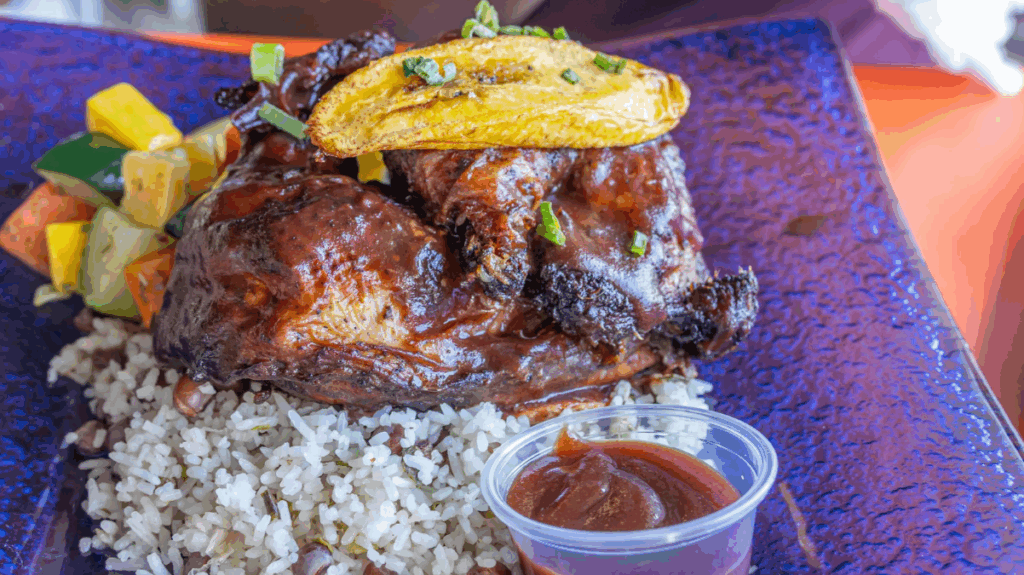
Pair your jerk with rice and peas, festival bread, or fried plantains for a truly authentic Jamaican experience.
Jerk Around the World
Jerk has traveled far beyond Jamaica, delighting taste buds internationally:
- United Kingdom: Jamaican immigrants introduced jerk to London’s street food scene.
- United States: Popular in New York, Miami, and other cities with large Caribbean communities.
- Canada: Toronto hosts annual jerk festivals, celebrating Caribbean culture.
Fusion dishes are now common: jerk tacos, jerk burgers, and even jerk pizza. While adaptations exist, authentic jerk maintains the balance of spice, smoke, and seasoning that makes it unmistakably Jamaican.
Jerk and Health
Contrary to some misconceptions, jerk can be quite healthy:
- Lean proteins: Chicken and fish are lower in fat.
- Natural spices: Herbs and peppers provide antioxidants and metabolic benefits.
- Grilling and smoking: Requires minimal added fats.
However, caution is advised for those sensitive to spice or watching sodium intake, as marinades can contain salt. Moderation and balance are key, as with any flavorful cuisine.
Why Jerk Remains Timeless
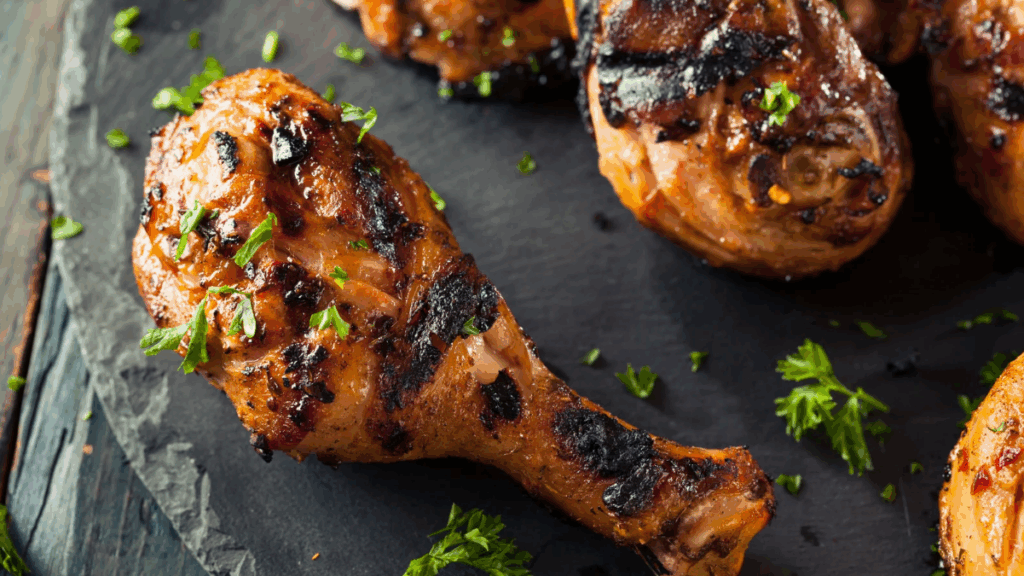
Jerk is timeless because it’s more than a recipe—it’s a living tradition. Each bite tells a story of survival, innovation, and cultural pride. From Maroon hideouts to modern restaurants, jerk has adapted without losing its soul.
At my restaurant, we honor this heritage by using traditional spices, slow-smoking over pimento wood, and sharing the stories behind every dish. This connection to culture is why people don’t just eat jerk—they experience it.
Final Thoughts
The journey of jerk is a journey through Jamaica’s heart, history, and soul. From Taino preservation methods and African influences to modern fusion cuisine, jerk embodies the island’s resilience, creativity, and culinary brilliance.
Whether you try jerk at home, visit a local Jamaican restaurant, or attend an international jerk festival, the experience is unforgettable. It’s spicy, smoky, and steeped in history—every bite a celebration of flavor and culture.
If you’re ready to taste history and savor authentic Jamaican flavor, come visit us at Kingston 7 Jamaican Cuisine. Here, every dish is a tribute to tradition, cooked with passion, and served with pride. Discover the magic of jerk, and take your taste buds on a journey they’ll never forget.