In Jamaica, every celebration begins with the rhythm of drums, the laughter of people, and the irresistible aroma of jamaican festivals food that tells the island’s story. From jerk smoke curling under the Caribbean sun to the sweet scent of festival bread frying golden brown, every bite of jamaican festivals food carries the heartbeat of Jamaica — bold, joyful, and full of life.
Across the island and within its global diaspora, jamaican festivals food stands as a living expression of identity. Each dish served at festivals and family gatherings connects to generations of tradition, celebration, and resilience. Experiencing jamaican festivals food is not simply about eating — it is a way to keep culture alive and unite people through flavor, rhythm, and memory.
The Soul of Celebration: Why Food Defines Jamaican Culture
To understand Jamaica’s culture is to understand its food. On the island, food represents love, community, and identity. Every major celebration — from Carnival to Christmas — centers around a shared table, where generations gather to eat, laugh, and give thanks.
Jamaican cuisine reflects centuries of history and adaptation. Enslaved Africans, Indigenous Tainos, and European settlers all contributed ingredients, spices, and techniques that blended over time into something uniquely Jamaican. From the smoky flavors of jerk to the creamy richness of coconut-based stews, the nation’s cuisine is a story of survival and creativity.
Cooking is considered an act of connection. Traditional dishes are prepared slowly, with patience and pride — meats marinated overnight, sauces simmered to perfection, and spices measured by intuition rather than recipe. The process itself mirrors the Jamaican spirit: resourceful, joyful, and deeply rooted in community.
Jamaican Festivals Food: Signature Dishes That Bring Major Celebrations to Life
Jamaican festivals are vibrant expressions of national pride, music, and unity — and food is always at their heart. Each celebration brings its own flavors, traditions, and stories that tie people together through taste.
1. Jamaica Carnival (Bacchanal): A Burst of Color, Music, and Street Flavors
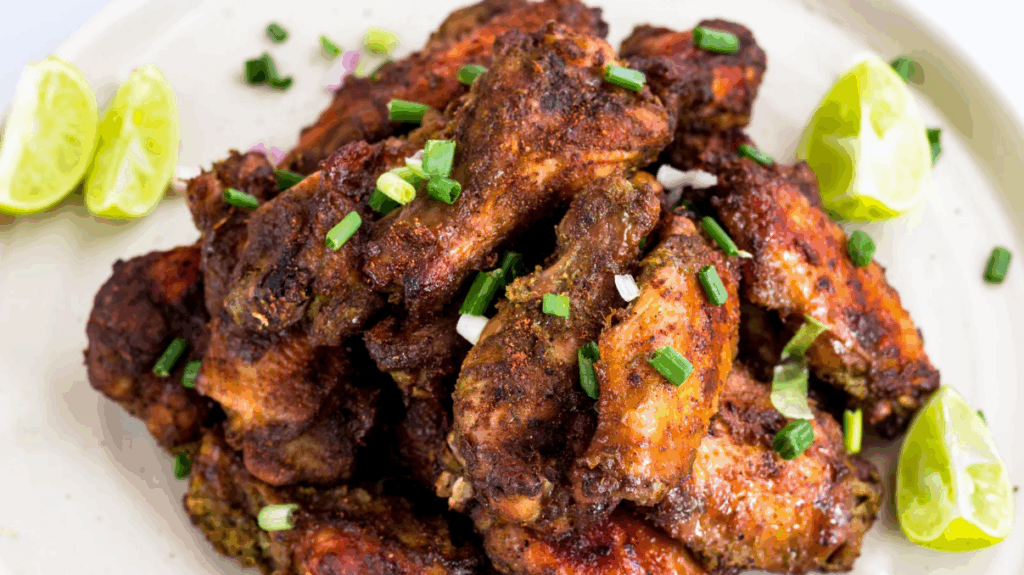
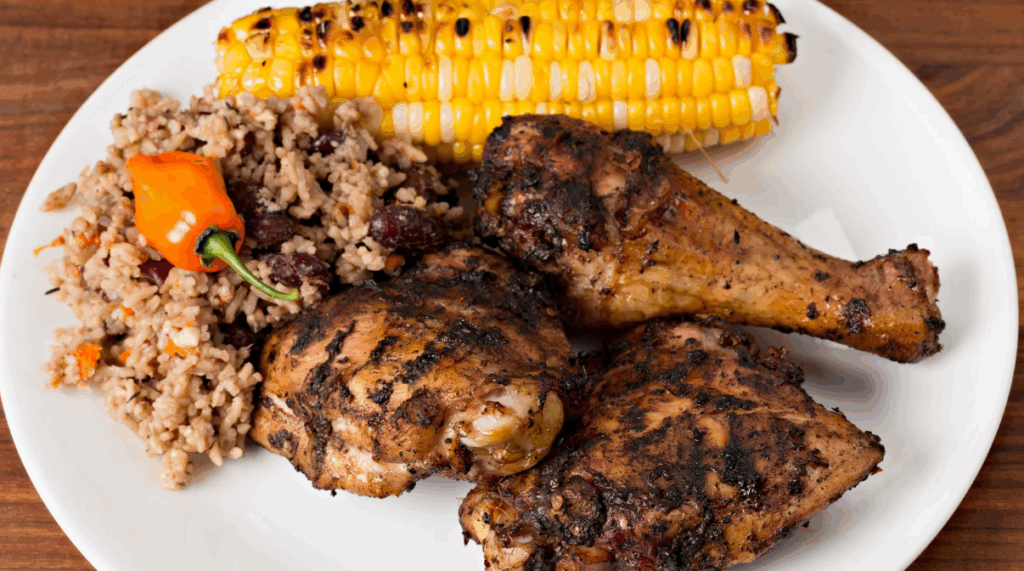
Jamaica Carnival, often called “Bacchanal,” is a dazzling explosion of music, dance, and street food. The event fills the streets with color and sound — and the irresistible smell of jerk chicken, festival bread, roasted corn, and Jamaican patties.
Carnival represents freedom and joy. It’s a time when the island’s rhythm meets its cuisine — where every bite of jerk and every sip of rum punch embody the same passion found in reggae and soca beats. The food captures Jamaica’s festive spirit: bold, flavorful, and made to share.
2. Jamaica Independence Day: Pride on Every Plate
Independence Day, celebrated every August 6th, is one of the most significant national holidays in Jamaica. It marks the island’s freedom from British rule and celebrates the strength and unity of its people.
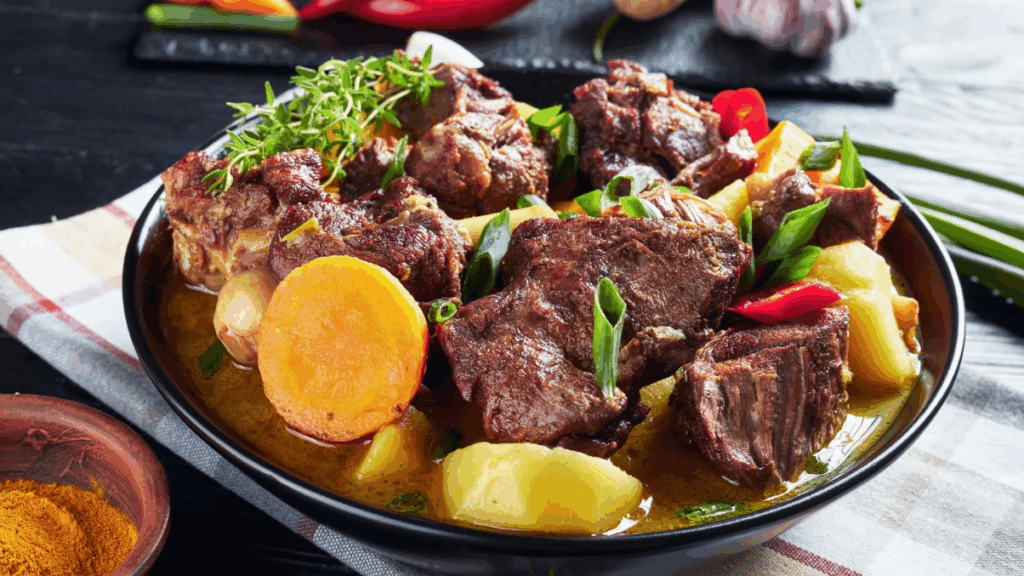
On this day, food becomes a symbol of pride. Families and communities gather for feasts featuring curried goat, oxtail, rice and peas, and callaloo. Each dish carries meaning — curried goat represents celebration, rice and peas signify blessings, and oxtail honors resilience. The tables overflow with laughter and gratitude, reminding Jamaicans everywhere that independence tastes sweet — and savory, too.
3. Jonkanoo Festival: The Spirit of Ancestry and African Roots
The Jonkanoo Festival, celebrated around Christmas, traces its roots back to West Africa. Performers wearing colorful masks and costumes dance through the streets to the beat of drums and horns — a lively mix of theatre, music, and ancestral memory.
Traditional foods served during Jonkanoo include bammy (a cassava flatbread), saltfish fritters, and coconut drops. These dishes are humble yet meaningful, representing the creativity and resourcefulness of Jamaican ancestors who turned simple, local ingredients into sustenance and joy.
4. Christmas in Jamaica: Where Sweetness Meets Soul
Christmas in Jamaica is a time of warmth, faith, and family — and no holiday table is complete without iconic Jamaican dishes. For weeks leading up to the season, households soak fruits in rum and wine for Jamaican fruit cake, while the scent of sorrel infused with ginger and cloves fills the air.
The Christmas feast often includes ham glazed with pineapple, gungo peas and rice, and curried chicken, served alongside laughter and holiday music. Every dish embodies the island’s spirit of generosity and gratitude. Christmas in Jamaica is not only celebrated with gifts and carols — it’s celebrated with flavor.
5. Reggae Sumfest: Where Music and Food Unite
Reggae Sumfest, held annually in Montego Bay, is Jamaica’s largest music festival — a global stage for reggae, dancehall, and cultural pride. But along with the music, the event showcases the island’s best street food and beverages.
Festivalgoers enjoy jerk pork, fried fish, festival bread, and rum punch, all while dancing under the stars. For many, the combination of rhythm and flavor defines the Jamaican experience — proof that food and music are inseparable parts of the island’s soul.
The Flavors of Identity: Traditional Dishes That Tell Jamaica’s Story
Every Jamaican dish carries a story — of resilience, creativity, and love. These traditional meals have transcended time and continue to define the island’s identity.
Jerk Chicken – A Symbol of Freedom and Resilience
Originating from the Maroons — Africans who escaped slavery and found refuge in Jamaica’s mountains — jerk cooking was first a preservation method using smoke, spices, and fire. Today, jerk chicken is one of Jamaica’s most famous dishes, representing freedom, ingenuity, and cultural pride.
Ackee and Saltfish – The National Dish of Unity
Brought from West Africa, ackee became Jamaica’s national fruit. Combined with salted cod, it symbolizes unity and adaptability — two distinct ingredients coming together to create harmony in flavor and culture.
Curry Goat – The Celebration Favorite
Curry goat is synonymous with special occasions. The dish’s rich, aromatic sauce and tender meat are a must-have at weddings, holidays, and family gatherings. It reflects Jamaica’s Indian influence and the joyful spirit of communal feasting.
Rice and Peas – The Sunday Tradition
Every Jamaican home knows the comfort of rice and peas cooked in coconut milk with thyme and Scotch bonnet pepper. It’s a staple on Sunday afternoons — a meal that brings families together week after week.
Oxtail Stew – From Humble Beginnings to Beloved Classic
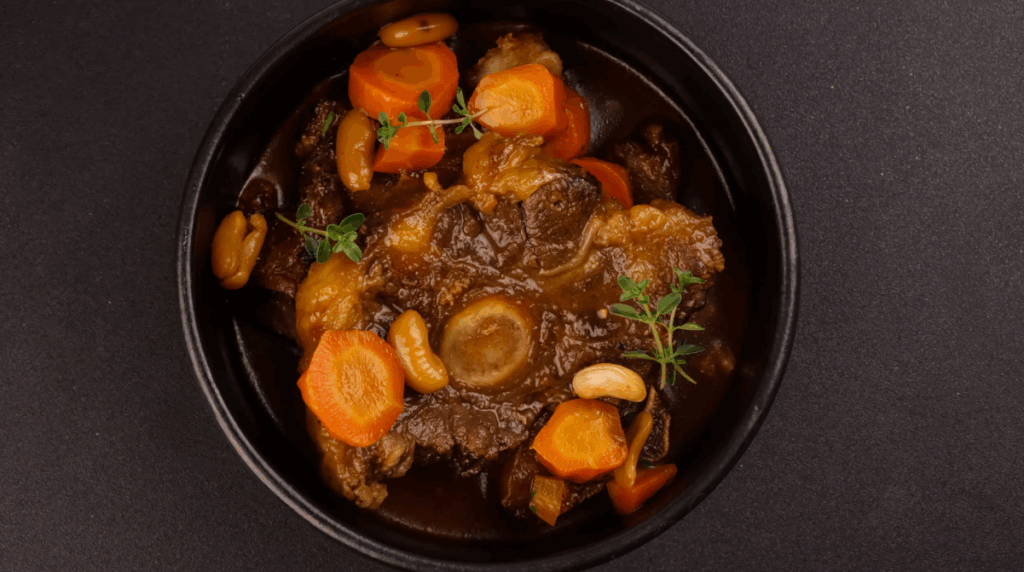
Once considered a poor man’s meal, oxtail has become a national favorite. Slowly stewed with butter beans until the meat falls off the bone, it’s a perfect example of how Jamaicans transform simplicity into luxury.
Festival Bread – The Sweet Side of Every Gathering
Crisp on the outside and tender within, festival bread adds sweetness to spicy meals. Often served with jerk or fried fish, it symbolizes balance — a little sweetness to go with the heat.
Each of these dishes tells a story of endurance, celebration, and the power of flavor to keep heritage alive.
From the Market to the Festival: Ingredients That Shape Jamaican Culture
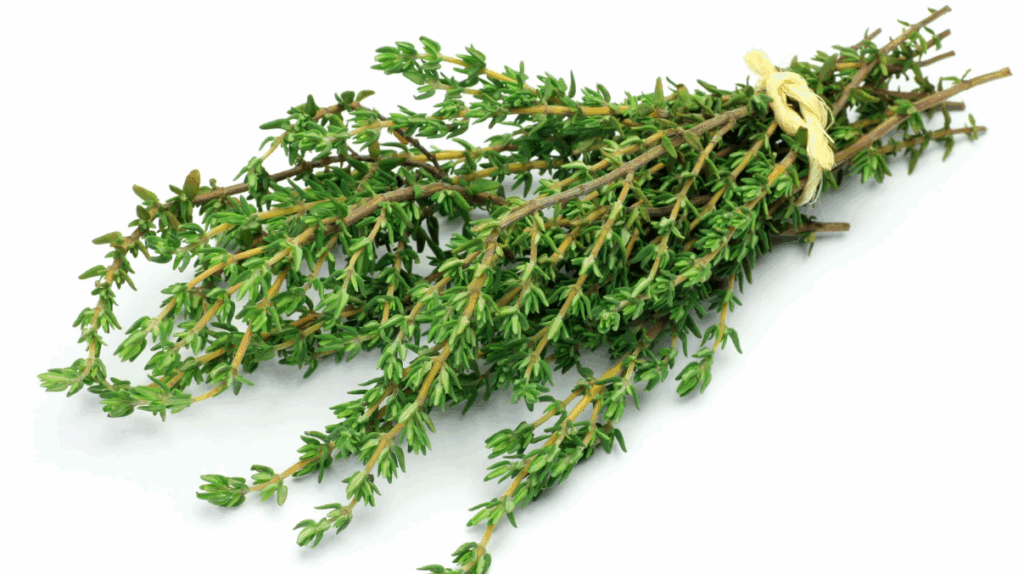
Jamaican cuisine begins long before the kitchen — it starts in the market. Local farmers and vendors fill stalls with fresh produce and aromatic spices that form the foundation of traditional dishes.
Scotch bonnet peppers, pimento (allspice), thyme, ginger, nutmeg, and cinnamon are staples of Jamaican cooking. Each ingredient carries cultural significance: pimento for warmth and depth, Scotch bonnet for heat and excitement, and coconut milk for smoothness and richness.
Jamaicans take pride in using what the land provides. This connection to nature reflects a deep respect for sustainability and authenticity. From the countryside farms to bustling Kingston markets, the journey from ingredient to plate is part of the island’s cultural rhythm.
Beyond the Island: How Jamaican Festivals and Food Connect the Diaspora
Jamaican culture has traveled far beyond its shores, carried by generations who’ve made homes in cities around the world. Wherever Jamaicans settle, they bring their festivals, music, and food — preserving their identity through flavor.
Across the diaspora, Independence Day celebrations, Reggae Sumfest-inspired events, and food festivals continue to unite communities. Jamaican restaurants abroad serve as cultural ambassadors, offering the taste of home to locals and newcomers alike.
For many in the diaspora, food serves as a bridge to memory — a connection to the island’s warmth, laughter, and community spirit. And for those discovering Jamaican cuisine for the first time, it opens a window into a culture defined by creativity, resilience, and joy.
The Meaning Behind the Meal: What Jamaican Food Teaches About Life
Beyond flavor, Jamaican food teaches timeless lessons about patience, gratitude, and unity.
The slow process of stewing oxtail or marinating jerk reflects patience and care. The act of sharing rice and peas every Sunday reinforces togetherness. The vibrant mix of spices represents diversity and harmony — proof that different elements, when combined, create something extraordinary.
Food in Jamaica mirrors life itself: full of fire, balance, and joy. It reminds people to appreciate what they have, to celebrate even in hardship, and to keep finding ways to turn simple beginnings into something unforgettable.
Final Thoughts: Taste the Tradition, Feel the Vibe
Every island has its rhythm — and Jamaica’s rhythm is experienced through its food. From jerk smoke curling through the air at Carnival to the sweetness of sorrel at Christmas, every festival tells a story of the island’s heritage and resilience.
At Kingston 7 Jamaican Cuisine, guests witness that moment when someone takes their first bite of authentic Jamaican food and smiles. That’s when they feel the warmth, pride, and love of the island come alive.
Dining at Kingston 7 Jamaican Cuisine is more than a meal — it’s joining a celebration that has been cherished for generations. Every dish brings the taste of freedom, faith, and community in every bite.
The next time someone wants to experience Jamaican food, it’s more than just eating. It’s savoring the story of a people who turned struggle into strength and flavor into joy.
Visit us and taste Jamaica’s heart and soul — let every bite remind you that its culture truly comes alive through flavor, rhythm, and love.