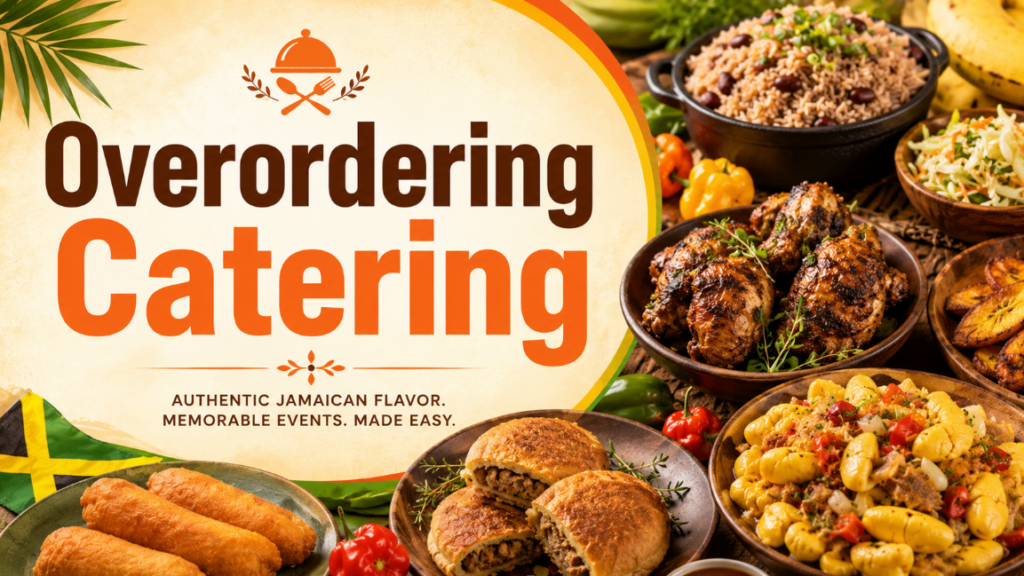
Planning an event comes with plenty of decisions, but few carry as much pressure as deciding how much food to order. Whether you’re organizing a wedding, birthday celebration, corporate gathering, family reunion, or community event, the last thing you want is for guests to leave hungry. That’s why many hosts automatically assume that ordering extra food is the safest option.
But what if that “better safe than sorry” mindset is actually costing you more than you realize? While having enough food is important, overordering catering can create a surprising number of problems. From wasted money and excessive leftovers to unnecessary stress and logistical challenges, ordering too much food isn’t always the smart move people think it is. In many cases, the most successful events aren’t the ones with the most food—they’re the ones with the right amount of food, thoughtfully planned and professionally executed.
Why More Food Feels Like the Safer Choice
It’s easy to understand why hosts tend to order more food than necessary.
Food plays a major role in how guests experience an event. Nobody wants to be remembered as the host who ran out of entrées halfway through dinner or left guests searching for snacks after the meal. As a result, many people err on the side of excess.
There is also a strong emotional component involved. Food has long been associated with hospitality, generosity, and celebration. Many hosts believe that larger portions and extra trays communicate care and abundance.
Common concerns include:
- What if more guests show up than expected?
- What if people are hungrier than usual?
- What if portions are too small?
- What if guests want seconds?
- What if running out becomes the main thing people remember?
These concerns are understandable. However, they often lead hosts to order significantly more food than their guests will realistically consume.
Why People Over-Order Catering
One of the biggest reasons people overordering catering is uncertainty.
Most event hosts are not professional event planners. They may only organize large gatherings a few times throughout their lives. Without experience calculating portions, estimating attendance patterns, or understanding guest behavior, many simply guess.
Others receive advice from family members, friends, or colleagues who insist that “more is always better.”
You may hear comments like:
- “You can never have too much food.”
- “Order extra just in case.”
- “Everyone will take home leftovers.”
- “It’s better to have too much than too little.”
While these statements sound reasonable, they don’t always reflect reality.
Guests rarely eat identical portions. Some arrive after eating. Others leave early. Some avoid certain foods due to dietary restrictions. Others focus more on socializing than dining.
Professional caterers understand these patterns because they see them at event after event. What may feel like a safe estimate to a host can often be far more food than necessary.
The result is overordering catering—and the hidden costs that come with it.
The Hidden Cost of Overordering Catering Isn’t Just About Money
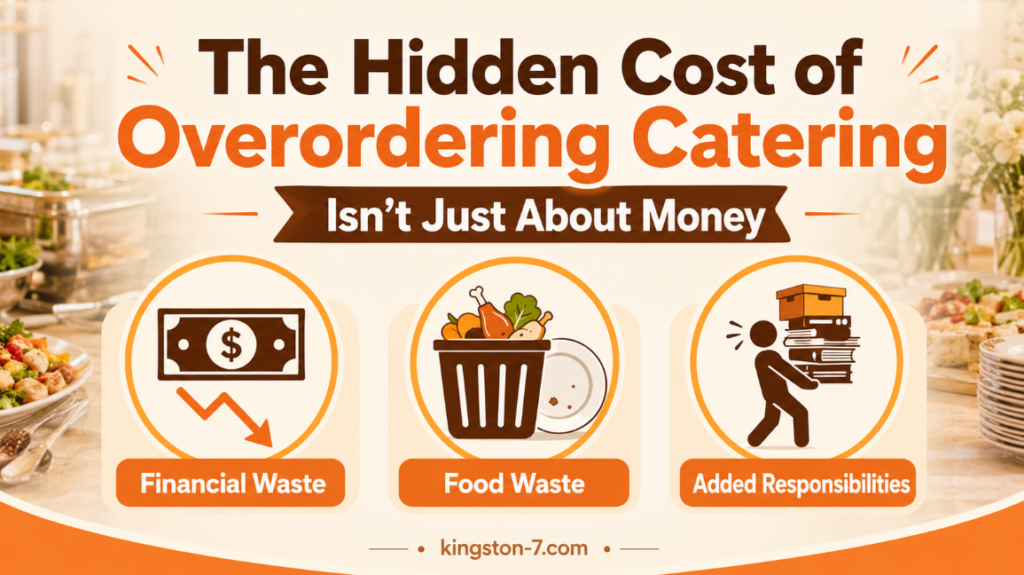
When it comes to overordering catering, most people think only about the extra money spent on food that goes uneaten. While the financial impact is significant, the real consequences often reach much further than the catering bill, affecting resources, sustainability efforts, and overall event efficiency.
1. Financial Waste
Every extra tray, platter, appetizer, side dish, and dessert adds to your event budget.
Imagine spending hundreds of dollars on food that remains untouched by the end of the evening. That’s money that could have been allocated elsewhere, including:
- Entertainment
- Decorations
- Photography
- Specialty drinks
- Guest experiences
- Venue enhancements
Overspending on food often means sacrificing opportunities to improve other aspects of your event.
2. Food Waste
Overordering catering often results in more food than guests can realistically eat, leading to unnecessary leftovers and significant waste.
While sharing extra meals can help, surplus food frequently ends up discarded, creating environmental impacts through wasted ingredients, resources, and disposal efforts.
3. Added Responsibilities
Excess food creates additional work after the event.
Someone must:
- Package leftovers
- Store them safely
- Transport them
- Distribute them
- Monitor food safety
What seemed like a harmless precaution can quickly become another task on an already busy day.
When Too Much Food Creates the Wrong Impression
Many hosts assume guests are impressed by sheer quantity.
In reality, guests often remember quality far more than volume.
Think about the events you’ve attended. Chances are you don’t remember how many trays of food were available. You remember the dishes that tasted amazing, the presentation, and the overall experience.
An overwhelming amount of food can sometimes create unintended impressions.
Guests may notice:
- Excessive waste
- Untouched serving trays
- Poor planning
- Overcrowded buffet stations
- Too many menu choices
Rather than appearing luxurious, excessive food can occasionally make an event feel disorganized.
Today’s guests increasingly appreciate intentional planning. They value well-prepared food, thoughtful menus, and meaningful experiences more than endless quantities.
What Professional Catering Companies Know That Most Hosts Don’t
This is where professional catering makes a tremendous difference.
Experienced caterers don’t simply prepare food—they help clients make informed decisions based on real-world experience.
Professional caterers understand:
- Average guest consumption
- Portion sizes
- Event timelines
- Attendance patterns
- Menu performance
- Service logistics
They know that a corporate luncheon operates differently than a wedding reception. They understand that afternoon events often generate different eating habits than evening celebrations.
Most importantly, they understand how to balance abundance with practicality.
Instead of relying on fear-based decisions, Professional Catering teams use data, experience, and proven planning methods to determine appropriate food quantities.
This expertise helps clients avoid both extremes:
- Ordering too little food
- Ordering excessive amounts of food
The result is a smoother event and a more efficient use of your budget.
Jamaican Catering Is About Flavor, Not Excess
One of the greatest strengths of Jamaican catering is that it focuses on bold, memorable flavors rather than overwhelming quantity.
Authentic Jamaican cuisine is known for rich seasonings, slow-cooked preparations, and satisfying dishes that leave lasting impressions.
Guests are far more likely to remember perfectly seasoned jerk chicken than they are to remember an extra tray of food sitting untouched at the end of the night.
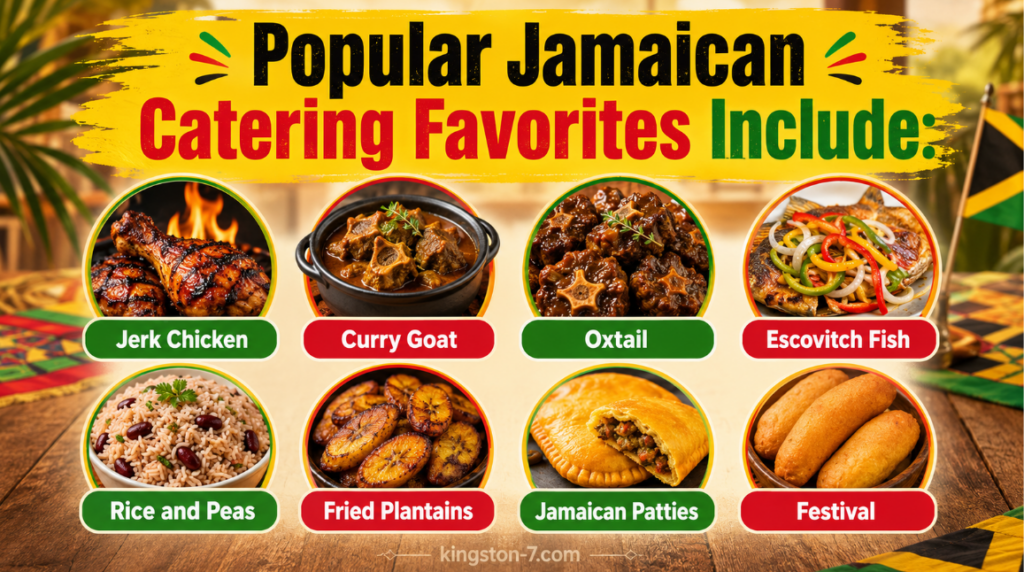
Popular Jamaican catering favorites include:
- Jerk chicken
- Curry goat
- Oxtail
- Escovitch fish
- Rice and peas
- Fried plantains
- Jamaican patties
- Festival
These dishes deliver powerful flavor and authentic cultural experiences that guests genuinely appreciate.
When the food is exceptional, hosts don’t need excessive quantities to make an impact.
Quality naturally becomes the centerpiece of the event.
Are You Paying for Food Nobody Will Eat?
Overordering catering often means paying for food that guests never eat.
While it may seem safer to have extra food available, understanding actual guest consumption can help prevent unnecessary costs and reduce waste.
Consider the following:
1. Dietary Restrictions
Some guests may avoid specific foods due to allergies, dietary preferences, or health concerns.
2. Multiple Food Stations
Events with appetizer stations, dessert tables, beverage bars, and late-night snacks often reduce overall entrée consumption.
3. Guest Demographics
Children, seniors, and adults often consume different portion sizes.
4. Event Timing
A midday event may produce different eating patterns than an evening celebration.
5. No-Shows
Even carefully planned RSVP lists are rarely perfect.
When these variables are combined, actual consumption often falls well below what many hosts anticipate.
That’s why blindly increasing food quantities rarely provides the value people expect.
The Fear of Running Out vs. The Reality of Running Over
Hosts often focus heavily on the possibility of running out of food.
However, the opposite problem happens far more frequently.
Most professionally catered events include reasonable buffers to accommodate guest needs. Experienced caterers understand the importance of ensuring food availability throughout service.
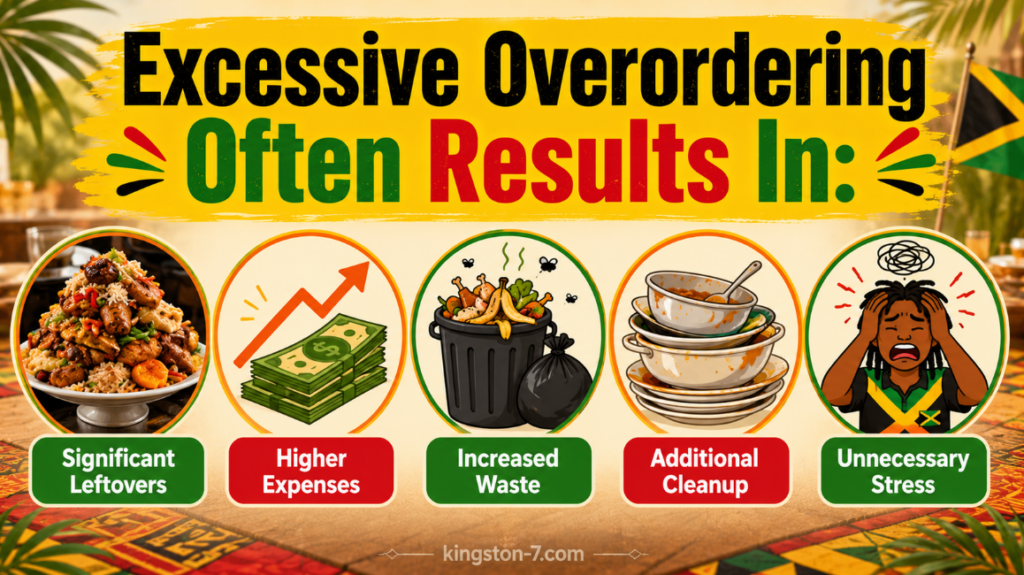
Meanwhile, excessive overordering often results in:
- Significant leftovers
- Higher expenses
- Increased waste
- Additional cleanup
- Unnecessary stress
In many cases, hosts spend weeks worrying about shortages only to discover they ordered far more than needed.
Understanding this reality can help event planners make more confident decisions.
How to Prevent Leftover Waste
Preventing overordering catering doesn’t have to involve complicated calculations or detailed forecasting.
A few practical strategies can dramatically reduce leftover food, minimize waste, and still ensure that guests have plenty to enjoy throughout the event.
1. Confirm Guest Counts Carefully
Accurate attendance numbers provide the strongest foundation for portion planning.
Follow up on missing RSVPs whenever possible.
2. Trust Your Caterer’s Recommendations
Professional caterers have experience serving events of all sizes.
Their recommendations are typically based on actual consumption patterns rather than assumptions.
3. Focus on Menu Quality
A smaller menu featuring exceptional dishes often creates a stronger guest experience than a massive menu filled with unnecessary options.
4. Consider Your Event Type
Different events require different catering strategies.
A networking event may require different quantities than a formal wedding reception.
5. Create a Leftover Plan
If leftovers occur, have a strategy ready.
Options may include:
- Sending food home with guests
- Providing take-home containers
- Sharing food with staff
- Coordinating charitable donations when appropriate
Preparation helps maximize value and minimize waste.
The Smart Host’s Goal Isn’t More Food—It’s the Right Amount
The most successful hosts understand that catering is not a competition to see who can provide the largest quantity of food.
Instead, successful event planning focuses on creating a balanced experience.
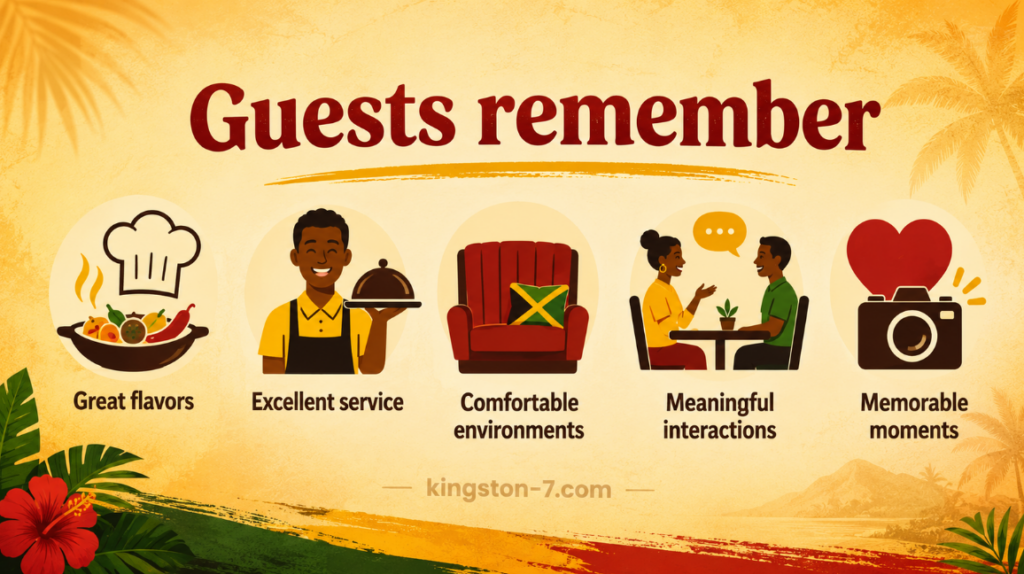
Guests remember:
- Great flavors
- Excellent service
- Comfortable environments
- Meaningful interactions
- Memorable moments
Very few people leave an event wishing there had been three additional trays of food.
They remember how the event made them feel.
That’s why thoughtful planning often delivers better results than simply increasing food orders.
By focusing on quality, guest experience, and realistic portion planning, hosts can create events that are both memorable and cost-effective.
Before You Add Another Tray to the Order…
The belief that more food automatically creates a better event is one of the most common misconceptions in event planning. While nobody wants guests to go hungry, overordering catering can lead to unnecessary expenses, excessive leftovers, food waste, and added logistical challenges. Understanding guest behavior, trusting professional recommendations, and focusing on quality rather than quantity can help hosts create a more enjoyable experience while making smarter use of their budget. The goal isn’t to serve the most food—it’s to serve the right amount of exceptional food.
At Kingston 7 Jamaican Cuisine, we help hosts create unforgettable events through authentic Jamaican flavors, thoughtful menu planning, and professional catering expertise. Whether you’re planning a wedding, corporate event, family reunion, birthday celebration, or community gathering, our team can help you build a menu that satisfies your guests without unnecessary waste. Contact Kingston 7 Jamaican Cuisine today and discover how great food, proper planning, and authentic Jamaican cuisine can make your next event one to remember.