
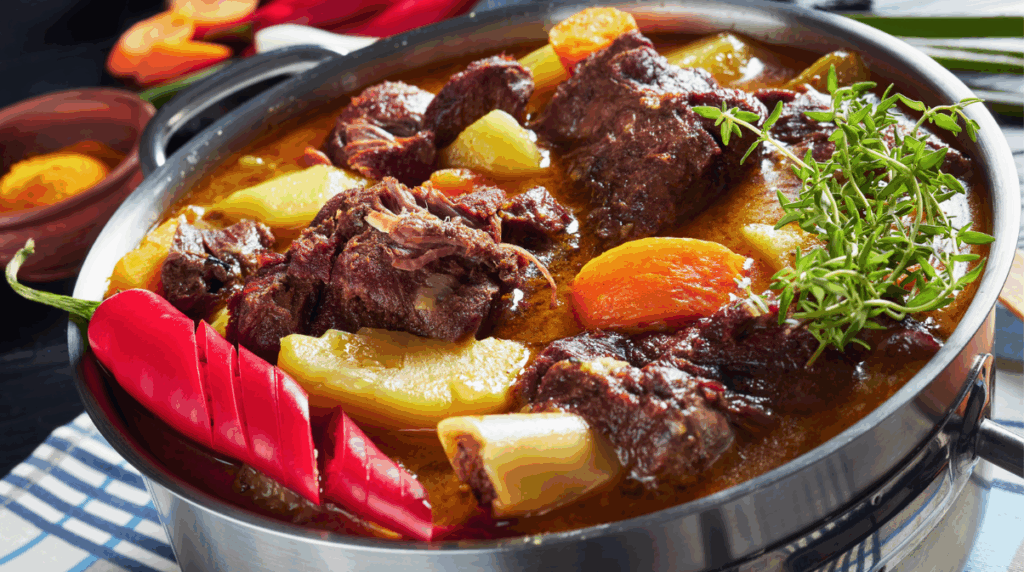
Imagine stepping into a lively Caribbean kitchen and being greeted by the rich, spicy aroma of slow-cooked meat infused with earthy herbs and a hint of Scotch bonnet heat. If you’ve ever wondered what is curry goat, this dish embodies the answer: tender goat meat simmered to perfection in a blend of bold, fragrant spices. From family gatherings to local festivals, curry goat is a centerpiece of Caribbean culture, celebrated for its flavor and its connection to heritage.
But what is curry goat beyond just a meal? It’s a culinary story of history, migration, and creativity—reaching from Jamaica to Trinidad, Guyana, and Caribbean communities around the world. Its tender meat, complex spice profile, and comforting richness make it irresistible. In this article, we’ll dive into its origins, ingredients, preparation, nutritional value, and the best ways to savor authentic curry goat, giving you a true taste of the islands.
What Is Curry Goat?
Curry goat is a slow-cooked stew that highlights the flavor of goat meat in a blend of bold spices and fresh herbs. The meat is tender yet robust, soaking up the aromatic curry sauce to create a dish that is as comforting as it is flavorful. Unlike beef or chicken curry, goat meat has a distinctive earthy taste that is complemented by marination and careful seasoning.
Key ingredients in curry goat include:
- Goat meat: The star of the dish, typically cut into stew-sized chunks.
- Curry powder: A fragrant mix of turmeric, coriander, cumin, fenugreek, and other spices.
- Allspice (pimento): Adds warmth and depth.
- Thyme: Fresh or dried, enhancing the earthy flavors.
- Scotch bonnet peppers: Provide heat and signature Caribbean kick.
- Garlic, ginger, and onions: Form the aromatic base.
Cooking style: Curry goat is traditionally slow-cooked, often simmered for hours until the meat is tender enough to fall off the bone. The sauce thickens and deepens in flavor as it cooks, creating a rich, hearty stew. It’s commonly served over rice and peas, with roti, fried dumplings, or simple bread to soak up the sauce.
What sets curry goat apart from other curries is its distinctive Jamaican twist. While curry as a concept originated in India, Jamaican curry incorporates local ingredients and flavor combinations, resulting in a unique taste that is unmistakably Caribbean. Marination, use of Scotch bonnet peppers, and sometimes a hint of coconut milk all contribute to the signature flavor.
History and Origins of Curry Goat

The story of curry goat is a tale of migration, adaptation, and cultural fusion. Its roots trace back to Indian indentured laborers who arrived in the Caribbean in the 19th century after the abolition of slavery. These laborers brought with them their culinary traditions, including curry powder, masalas, and other spices, which gradually merged with local ingredients and cooking styles.
Local adaptation played a crucial role in shaping what we now know as Jamaican curry goat. While Indian curries often include chicken, lamb, or vegetables, Caribbean cooks embraced goat meat, which was widely available and suited to the climate. They also added Scotch bonnet peppers, allspice, and occasionally coconut milk, creating a fusion that retained Indian techniques but expressed Caribbean flavors.
Over time, curry goat became more than a weekly meal—it became a dish for special occasions. Today, it is a staple at weddings, birthday parties, holidays like Easter and Christmas, and festivals such as Jamaica’s annual Carnival. Its preparation is often a communal effort, with family members and neighbors coming together to marinate, cook, and serve the dish, reinforcing its cultural significance.
Ingredients That Make Curry Goat Unique
Curry goat’s rich flavor begins with ingredient selection and careful preparation. Each component plays a role in the final taste and texture.
Meat selection: Fresh, tender goat meat is essential. Younger goats are preferred for their milder taste and tenderness. Cuts from the shoulder, leg, or shank are popular, providing a balance of meat and connective tissue that breaks down beautifully during slow cooking.
Spices and seasonings: Curry goat’s signature flavor comes from a blend of aromatic spices:
- Curry powder: The backbone, offering earthiness and warmth.
- Garlic and ginger: Provide pungency and depth.
- Thyme and scallions: Fresh herbs add a bright, aromatic note.
- Allspice: Gives a slightly sweet, peppery warmth.
- Scotch bonnet peppers: Impart heat and a fruity undertone.
Optional ingredients can enhance the stew, depending on family traditions or personal taste:
- Coconut milk: Adds creaminess and balances heat.
- Potatoes and carrots: Introduce sweetness and body.
- Chickpeas: Provide texture and make the dish heartier.
Marination process: Marinating the goat meat before cooking is crucial for flavor and tenderness. Typically, the meat is mixed with curry powder, garlic, ginger, thyme, scallions, allspice, and Scotch bonnet peppers, then allowed to rest for several hours—or overnight. This process ensures the spices penetrate the meat, creating a deeply flavorful stew.
Curry Goat in Modern Jamaican Cuisine
Curry goat has successfully made the leap from home kitchens to restaurants and street food culture worldwide. In Jamaican restaurants abroad, it is often a highlight, served alongside traditional sides like rice and peas or fried plantains. Its rich, comforting flavor has captivated diners from Toronto to London.
Street food culture keeps curry goat accessible and communal. At festivals, food markets, or roadside takeaways, the aroma draws crowds eager to enjoy a taste of home. Vendors often cook large pots of curry goat, allowing the flavors to develop over hours, offering a truly authentic experience.
Modern chefs are also experimenting with fusion dishes, turning curry goat into tacos, wraps, or even poutine. These innovations maintain the dish’s integrity while introducing it to new audiences and culinary contexts.
Nutritional Value and Health Benefits

While curry goat is a flavor-packed indulgence, it also offers nutritional benefits:
- Protein-rich: Goat meat is leaner than beef or lamb, making it an excellent source of protein for muscle development and repair.
- Vitamins and minerals: Goat meat is rich in iron, zinc, and B vitamins, supporting energy metabolism, immunity, and overall health.
- Spices benefits: Curry powder, ginger, and garlic have anti-inflammatory properties, aid digestion, and promote heart health.
- Moderation note: While nutritious, portion sizes and accompaniments matter. Pairing curry goat with vegetables and moderate starches can create a balanced, healthful meal.
Tips for Enjoying and Serving Curry Goat
Curry goat is versatile, and how you serve it can enhance the experience:
Pairings:
- Rice and peas: The classic side dish that absorbs curry sauce beautifully.
- Fried dumplings: Crispy, soft, and perfect for scooping up meat.
- Roti or flatbread: Ideal for wrapping curry bites.
- Plantains: Add sweetness and contrast to the spicy, savory meat.
Beverages:
- Sorrel drink: A tart, refreshing floral beverage often served during holidays.
- Ginger beer: Compliments the dish’s heat and spices.
- Rum punch: For adult gatherings, a tropical cocktail can enhance the festive atmosphere.
Leftovers: Curry goat often tastes even better the next day as the flavors deepen. Reheating slowly on low heat preserves the texture and richness.
Presentation tips: Garnish with fresh scallions, thyme sprigs, or a slice of Scotch bonnet for authenticity. Serving in vibrant bowls or alongside colorful sides enhances the visual appeal.
Where to Try Authentic Jamaican Curry Goat
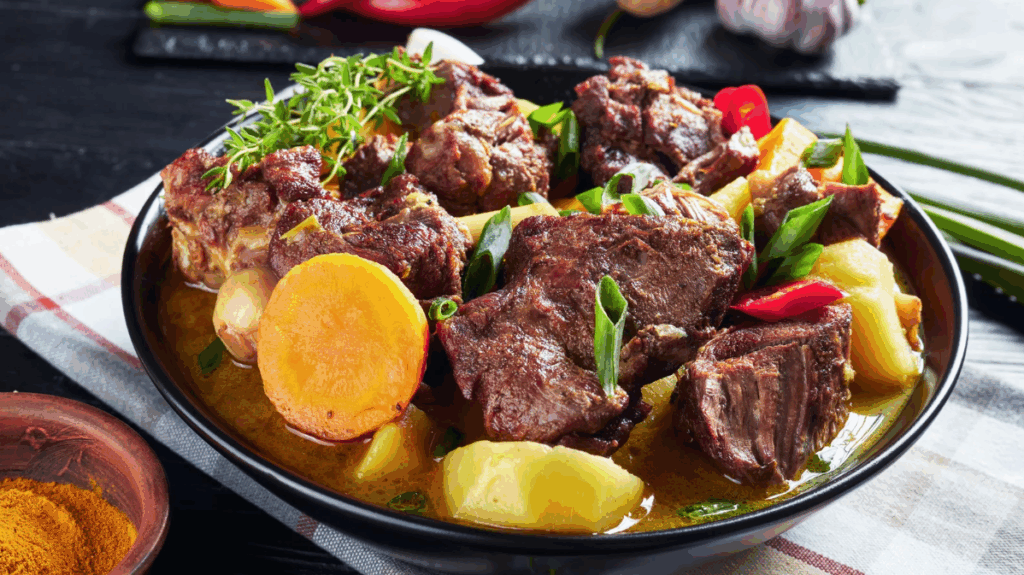
If you’re not in a position to cook at home, seeking out a restaurant specializing in Caribbean cuisine can provide an authentic experience. One standout is Kingston 7 Jamaican Cuisine in Woodstock, GA. Known for its traditional approach, fresh ingredients, and masterful balance of spices, Kingston 7 delivers curry goat as it’s meant to be: tender, flavorful, and rich in Caribbean culture.
Visiting a place like Kingston 7 offers more than just food—it’s about immersing yourself in the atmosphere, enjoying Caribbean hospitality, and experiencing a dish steeped in history and tradition. From the moment the aroma hits you to the last bite, it’s an invitation to savor the flavors of the Caribbean. You may check their menu
Conclusion
Curry goat is a dish that encapsulates Caribbean culture, history, and culinary ingenuity. From its origins with Indian laborers to its evolution in Jamaican kitchens, it represents adaptability, flavor, and community. Its distinctive blend of tender goat meat, aromatic spices, and slow-cooked richness makes it a dish celebrated at gatherings and festivals alike.
Beyond taste, curry goat carries cultural significance—it is a symbol of heritage, resilience, and shared tradition. Whether enjoyed at home, at a festival, or in a restaurant like Kingston 7 Jamaican Cuisine, it offers more than a meal; it provides a connection to the heart of the Caribbean.
For those new to curry goat, trying it is a journey into flavor, history, and culture. For enthusiasts, each bite is a reminder of the rich culinary tapestry of the Caribbean. So whether you decide to cook it at home or savor it at an authentic eatery, curry goat is an experience worth savoring. Allow yourself to be transported by its aromas, warmed by its spices, and delighted by the unique taste that has made it a Caribbean classic for generations.