Jamaican cuisine isn’t just food—it’s a cultural heartbeat served on a plate. Every dish is alive with flavor, history, and island soul, carrying the warmth of a people known for their hospitality. From the first whiff of smoky pimento to the bright heat of scotch bonnet peppers, Jamaican food is bold, colorful, and unforgettable.
This cuisine reflects centuries of cultural blending—African, Indigenous Taino, European, Indian, and Chinese influences coming together to create something distinctly Jamaican. Fresh ingredients, layered spices, and slow, soulful cooking are at its core.
This article explores where Jamaican food comes from, what makes it so unique, and why it feels like family in every bite. It’s an invitation to experience not just a menu, but a tradition that nourishes both body and spirit.
What Is Jamaican Cuisine? – More Than Just “Jerk”
Ask someone outside the island to name a Jamaican dish, and you’ll probably hear “jerk chicken.” And yes, jerk is iconic—but Jamaican cuisine is a rich fusion of African, Indigenous Taino, European, Indian, and Chinese flavors.
Our pantry is a living map of Jamaica’s history:
- African roots brought deep seasoning techniques, slow cooking, and dishes like callaloo and stews.
- Indigenous Taino people taught us cassava bread, roasting over pimento wood, and native crops like corn and yam.
- Spanish and British colonization added methods like frying, baking, and European-style pastries.
- Indian and Chinese migration introduced curry, ginger, soy sauce, and new ways of stir-frying and spicing.
The result? A cuisine that’s bold, aromatic, and always fresh. We don’t just sprinkle spices—we marinate, slow-cook, and layer flavors so every bite feels alive.
A Journey Through History – How Jamaica’s Past Created Its Menu
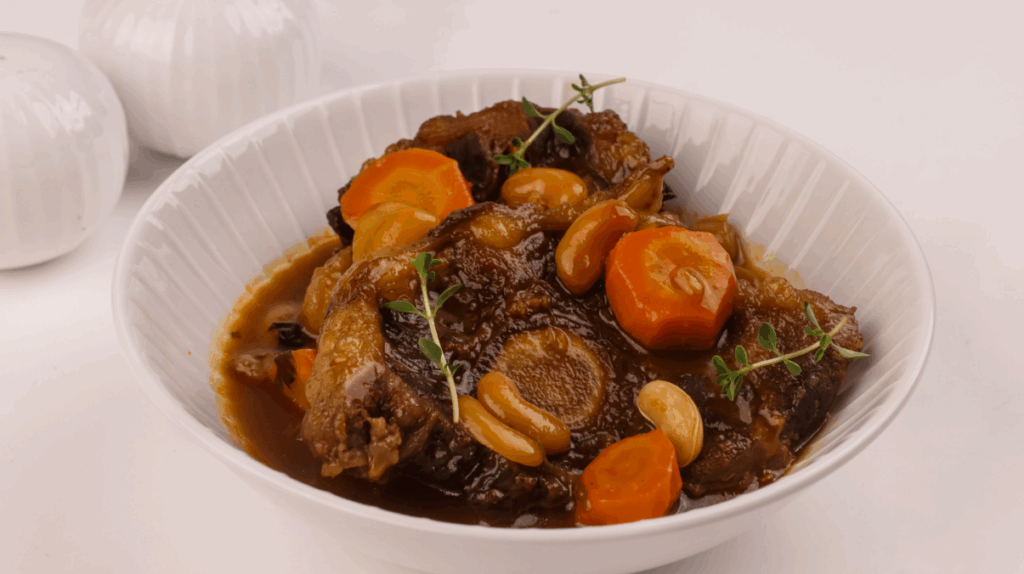
To truly appreciate Jamaican food, it helps to understand the island’s history. In the 17th century, people from Africa arrived in Jamaica and carried their culinary traditions with them. They adapted to the island’s resources, combining familiar flavors with local ingredients. Seasoning meats with fiery peppers, herbs, and spices, then cooking them slowly over open flames, they laid the foundation for what is now known as jerk cooking.
The Indigenous Taino people, Jamaica’s first inhabitants, had long perfected open-fire cooking over pimento wood and shared knowledge of roasting, smoking, and preserving food. In the 1800s, Indian and Chinese communities added their own culinary contributions—introducing curries, stir-fry methods, and spices that gave dishes like curry goat their distinctive taste.
Each cultural influence left its mark on Jamaica’s menu. What began as resourceful, adaptive cooking has become a source of national pride, with recipes that celebrate heritage, family, and flavor.
Signature Flavors and Ingredients of the Island
If you’ve ever walked into a Jamaican kitchen, you’ll notice the aroma hits before the food does. Here’s why:
- Spices: Pimento (allspice), nutmeg, ginger, cinnamon—warming, earthy, and layered.
- Heat: Scotch bonnet peppers give Jamaican food its signature kick—fiery yet fruity.
- Herbs: Thyme, scallion, and garlic form the base of almost every dish.
- Staples: Yam, plantain, breadfruit, rice, coconut milk—comforting ingredients that ground our meals.
- Proteins: Chicken, pork, goat, and fresh seafood, always well-seasoned, never plain.
We season from the heart, not from a measuring spoon. Every pot simmers with generations of flavor, and every dish is a love letter to our island.
Iconic Dishes Every Jamaican Kitchen Knows
If you’re new to Jamaican cuisine, these are the must-try classics—each one with a story to tell:
- Jerk chicken or pork: Smoky, spicy, slow-cooked over pimento wood for hours. The jerk marinade—made of scotch bonnet, pimento, thyme, and garlic—is the soul of the dish.
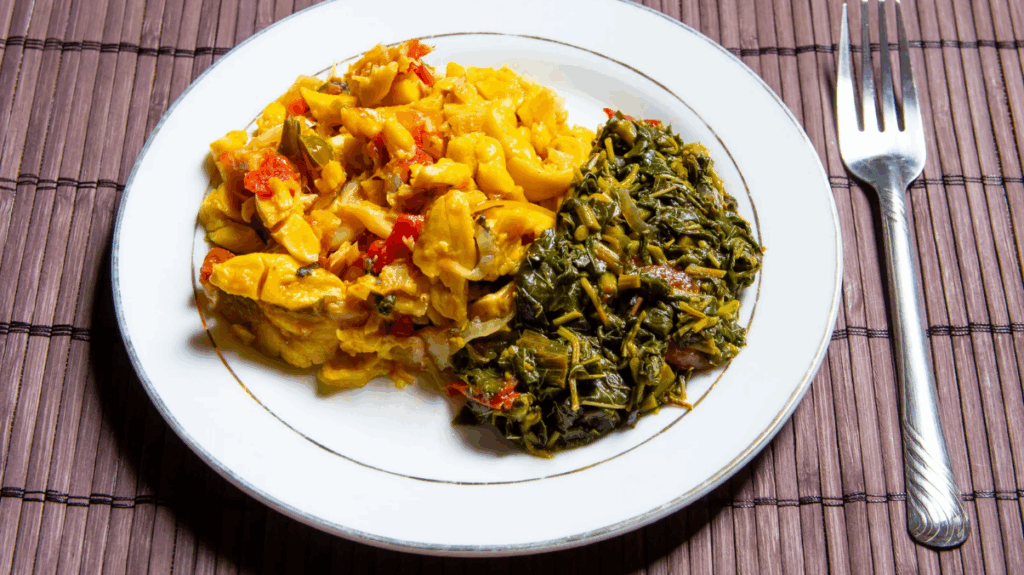
- Ackee and saltfish: Jamaica’s national dish. Ackee, a buttery fruit, is sautéed with salted cod, onions, and peppers—delicious with fried dumplings or boiled yam.
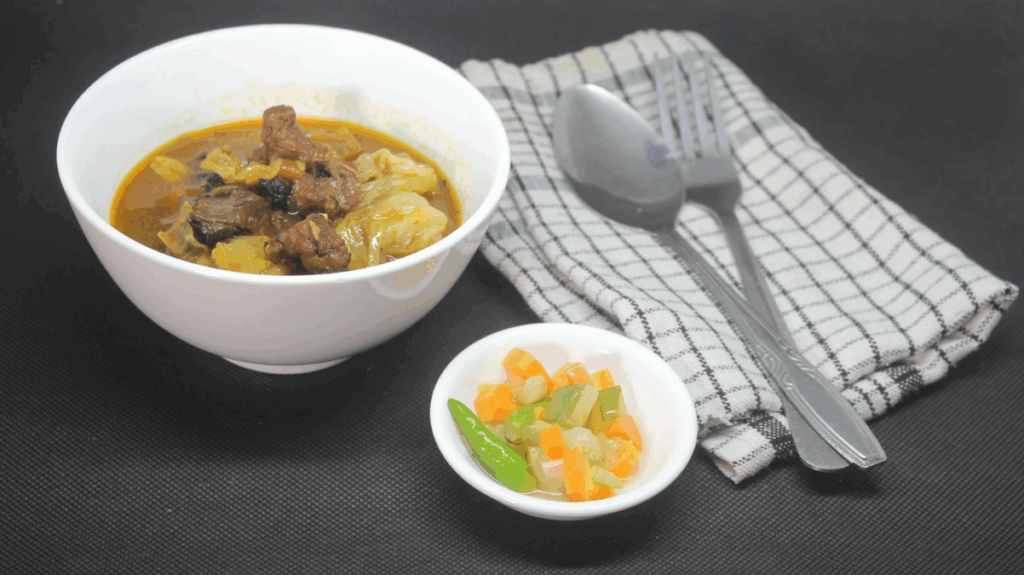
- Curry goat: A celebratory dish born of Indo-Jamaican influence. Tender, slow-simmered meat with earthy curry and fresh herbs.
- Rice and peas: A Sunday dinner essential. Don’t be fooled by the name—it’s rice cooked with kidney beans, coconut milk, thyme, and garlic.
- Escovitch fish: Fried snapper topped with a spicy vinegar-based sauce of onions, carrots, and peppers. Perfectly tangy and colorful.
- Jamaican patties: Flaky golden crusts filled with seasoned beef, chicken, or veggies—a favorite street snack.
- Festival, bammy, and fried dumplings: Sweet or savory breads that turn every meal into a feast.
These dishes aren’t trends—they’re traditions. They show up at family gatherings, street corners, and celebrations across the island and beyond.
Jamaican Food as a Family Affair – Tradition on Every Plate
In Jamaica, food isn’t just nourishment—it’s connection.
- Sunday dinners are sacred. Families gather around the table for rice and peas, stewed chicken, and fried plantain. It’s not just about eating—it’s about being together.
- Recipes are heirlooms. Many aren’t written down, only taught by memory and taste. You cook until it “smells right” or “looks ready,” just as your grandmother did.
- Food comforts the soul. From weddings to funerals, there’s always a pot on the stove, feeding both body and spirit.
When you sit down to a Jamaican meal, you’re tasting generations of love and a culture that values community as much as flavor.
The Global Rise of Jamaican Cuisine
Jamaican food has gone from backyard barbecues to worldwide recognition, capturing the hearts of food lovers across every continent. What was once shared mainly within island communities is now celebrated in major cities, culinary festivals, and even high-end dining.
- Reggae music and Jamaica’s vibrant tourism industry have introduced millions of visitors to the island’s bold, flavorful dishes, turning casual travelers into lifelong fans of Caribbean cuisine.
- Jamaican restaurants and food trucks are now popping up everywhere—from New York and London to Tokyo and Sydney—bringing authentic island flavors to people far from the Caribbean.
- Fusion cuisine is also on the rise, as chefs around the globe experiment with jerk seasoning in tacos, burgers, pasta, and even sushi rolls, creating exciting new takes on beloved classics.
But at its heart, authentic Jamaican cuisine remains true to its roots: fresh ingredients, traditional cooking methods, and bold spices done right. While creative twists are welcome, the soul of the food lies in honoring the heritage, time-tested recipes, and unmistakable flavors that make Jamaican cooking so special.
Health, Nutrition, and the “Ital” Movement
Long before “clean eating” became trendy, Jamaica had Ital cooking, a philosophy that embraces food in its purest, most natural state. This approach to eating has influenced how many Jamaicans think about food today, inspiring dishes that are both flavorful and nourishing.
- Ital cuisine, rooted in Rastafarian culture, focuses on plant-based, additive-free food. It avoids processed ingredients, salt, and meat, celebrating the natural flavors of fruits, vegetables, and grains while promoting harmony with nature and the body.
- Many Jamaican dishes are already nutrient-rich: fresh seafood, coconut milk, yams, callaloo, and tropical fruits like mango and papaya provide essential vitamins, minerals, and fiber that support overall health.
- Spices like ginger and pimento aren’t just flavorful—they’re packed with antioxidants and health benefits, supporting digestion, circulation, and immune function.
This natural, wholesome approach makes Jamaican food both delicious and nourishing. By combining vibrant taste with genuine health value, Jamaican cuisine offers meals that satisfy the soul as much as they strengthen the body, proving that flavor and wellness can go hand in hand.
Jamaican Cuisine at Our Restaurant – Serving Island Soul Daily
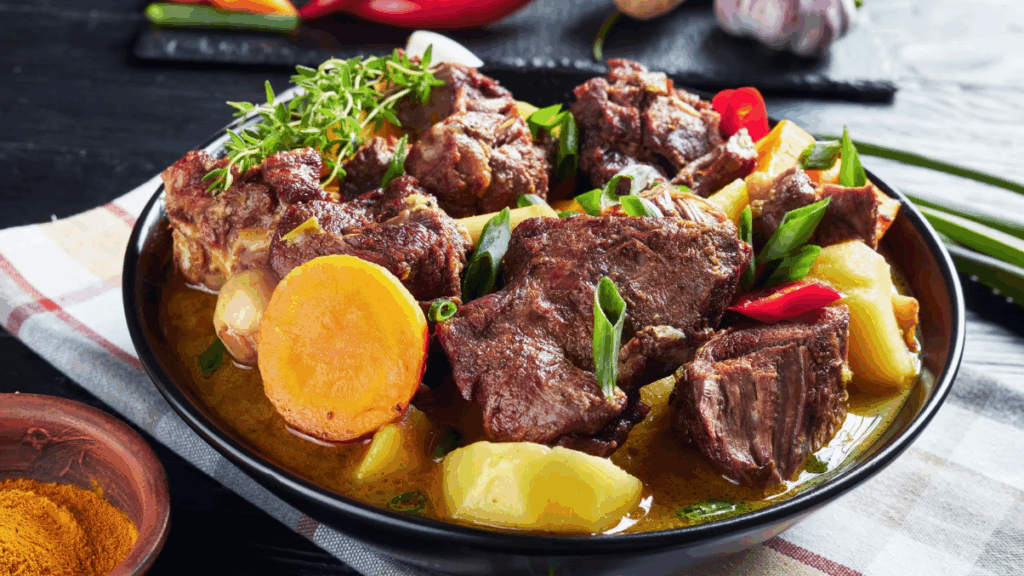
As a Jamaican restaurant owner, authenticity is more than just a goal—it’s a promise to every guest who walks through the door. We honor our roots with a commitment to cooking the way our families always have, letting every dish tell its own story.
- Traditional recipes passed down from family kitchens are carefully preserved, ensuring the flavors remain true to generations of island cooking.
- Fresh herbs and spices imported from Jamaica whenever possible bring the unmistakable aroma and depth of flavor you can only find in authentic Caribbean food.
- Signature dishes like jerk chicken, curry goat, and escovitch fish prepared just like back home give guests the chance to experience Jamaica’s classics the way they were meant to be enjoyed.
- Warm island hospitality—because Jamaican food is best served with love and laughter—makes every meal feel like gathering around a family table.
When you dine with us, you’re not just eating—you’re experiencing a piece of Jamaica’s heart and history, a celebration of culture and flavor that can’t be replicated anywhere else.
Final Thoughts – Why Jamaican Cuisine Is Worth Experiencing Up Close
Jamaican cuisine is more than just spicy food. It’s a celebration of history, family, health, and island pride. Every dish—whether a flaky patty or a plate of rice and peas—carries centuries of culture and care.
If you’ve only had a quick taste of jerk chicken from a food court or festival, it’s time to go deeper. Step into Kingston 7 Jamaican Cuisine, where the recipes are authentic, the spices are fresh, and the hospitality is warm. Jamaican cuisine isn’t just something you eat—it’s something you feel.
Come hungry—and leave with more than just a full belly. At Kingston 7 Jamaican Cuisine, you’ll leave with a taste of tradition, family, and island soul.