Jamaican cuisine is a tapestry of flavors, textures, and stories that trace the island’s rich history. Among its most fascinating and lesser-known treasures is bammy bread—a simple yet satisfying flatbread made from cassava. Once a staple of the indigenous Taino people, bammy has endured centuries of cultural change, colonization, and modernization to remain a beloved part of Jamaican food culture.
For anyone curious about Jamaican food history, eager to bring island vibes to their home kitchen, or searching for an authentic dining experience, understanding bammy bread is essential. Its versatility, history, and distinctive flavor make it a unique gateway into Caribbean cuisine.
What Is Bammy Bread?
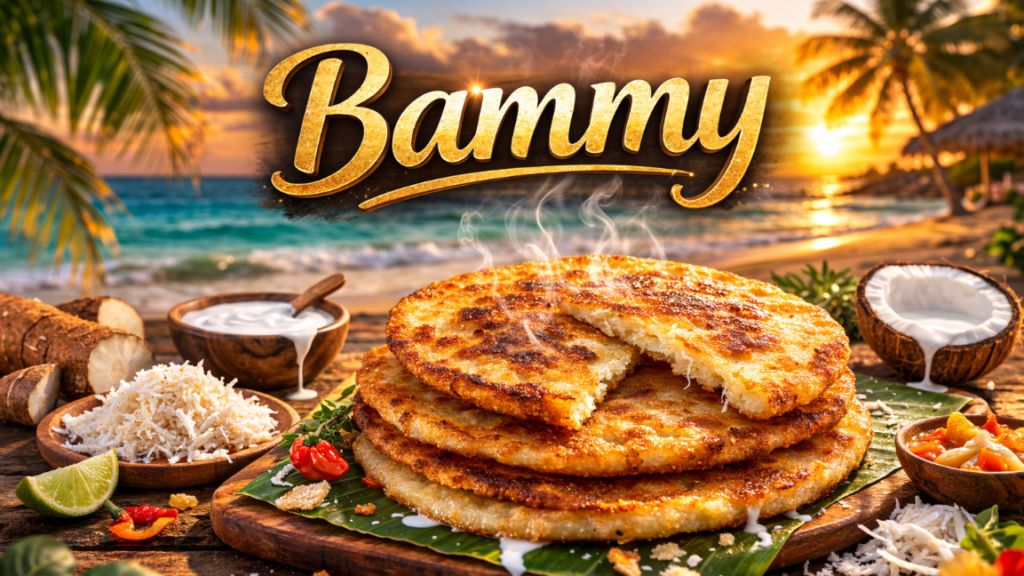
Bammy is a traditional Jamaican flatbread made from cassava, a starchy root vegetable native to South America and widely cultivated in the Caribbean. Unlike wheat-based bread, bammy has a dense yet tender texture and a slightly nutty, earthy flavor.
Traditionally, bammy is served with fried fish, especially saltfish, and can also accompany stews or be enjoyed with a splash of butter or coconut milk. Its simple ingredients belie the intricate preparation process that makes it uniquely Jamaican.
The History of Bammy Bread
Bammy has roots that stretch back to pre-colonial Jamaica. The Taino people, Jamaica’s original inhabitants, made cassava bread as a dietary staple. They grated cassava, pressed out the liquid to remove toxins, and cooked it on flat griddles over open flames.
When European colonizers arrived in the 16th century, cassava cultivation continued, largely among the enslaved African population who relied on it as a reliable, filling food source. Over time, bammy evolved from a survival food to a cherished dish with cultural significance.
Today, bammy is celebrated for its connection to Jamaica’s indigenous heritage and its enduring presence in island cuisine.
Why Cassava?
Cassava, or yuca, is a hardy root vegetable that thrives in tropical climates. It is naturally gluten-free and high in carbohydrates, making it a filling and versatile ingredient.
However, raw cassava contains naturally occurring cyanogenic compounds. Traditional preparation methods, including grating, pressing, and soaking, remove toxins and make it safe for consumption. This careful preparation reflects centuries of indigenous culinary wisdom.
Traditional Bammy Preparation
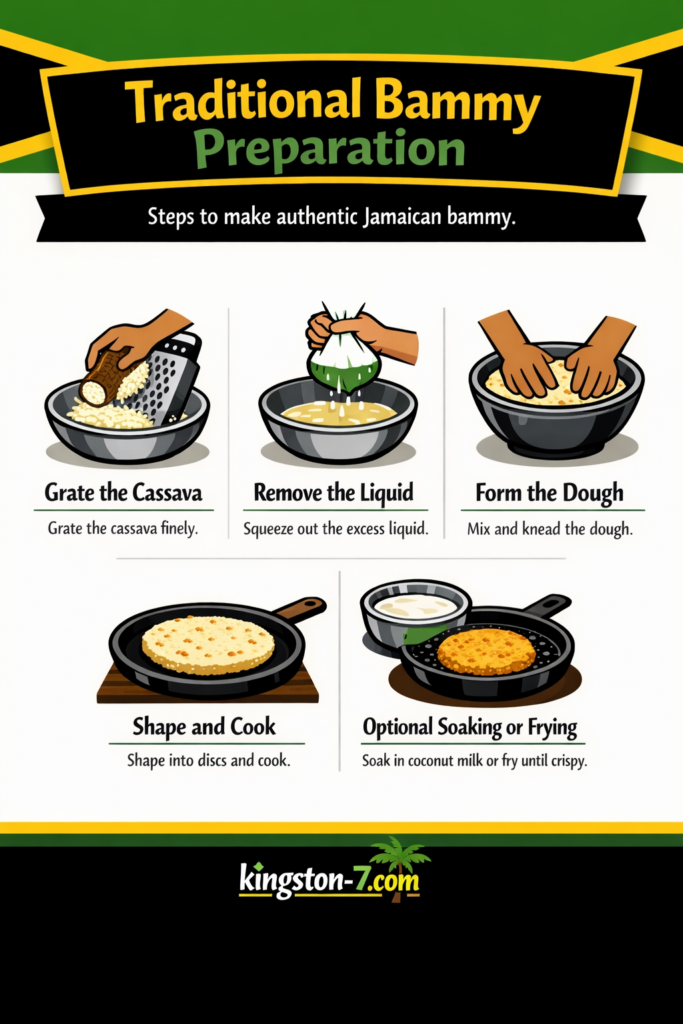
Making bammy is a labor-intensive process, but the results are rewarding. The steps include:
- Grate the Cassava
Fresh cassava roots are peeled and finely grated. - Remove the Liquid
The grated cassava is wrapped in cloth and pressed to remove bitter liquid. This step is essential for safety and taste. - Form the Dough
The drained cassava is combined into a firm, moldable dough. - Shape and Cook
Dough is shaped into flat, round discs and cooked on a griddle or skillet until lightly browned. - Optional Soaking or Frying
Some recipes call for soaking the cooked bammy in coconut milk to add moisture and flavor before serving. Others prefer lightly frying it for extra crispness.
Bammy Variations
While the core preparation is consistent, Jamaican households often put their own spin on bammy:
- Coconut Bammy: Soaked in coconut milk for a creamy flavor.
- Fried Bammy: Crispy on the outside, soft inside.
- Steamed Bammy: Retains moisture for pairing with stews and soups.
These variations showcase the adaptability of bammy in Jamaican cuisine.
How Bammy Bread Is Served
Traditionally, bammy is a side dish rather than a main course. Common pairings include:
- Fried or escovitch fish: Bammy absorbs sauces and balances flavors.
- Stewed meats: Its mild flavor complements rich, spicy stews.
- Breakfast dishes: Served with butter, jam, or even ackee and saltfish for a hearty start.
Its versatility and neutral flavor make it a canvas for bold Jamaican seasonings and seafood favorites.
Taste and Texture
Bammy is subtle but satisfying:
- Texture: Slightly dense and chewy, with variations depending on preparation.
- Flavor: Nutty and earthy, with a hint of sweetness from cassava.
- Pairing: Absorbs sauces and flavors well, enhancing accompanying dishes.
For first-time tasters, bammy may feel different from familiar wheat bread, but its unique qualities make it an essential part of authentic Jamaican cuisine.
Why Bammy Bread Matters in Jamaican Food History
Bammy is more than just a flatbread—it’s a culinary link to Jamaica’s past. Its preparation and consumption honor the ingenuity of the Taino people and the resilience of communities that preserved traditional foods through centuries of upheaval.
It also represents adaptation. While cassava was once a survival staple, it has been transformed into a celebrated dish served in restaurants and homes across the island. Eating bammy today is a way to connect with Jamaican heritage and culinary tradition.
Bringing Bammy Bread to Your Table
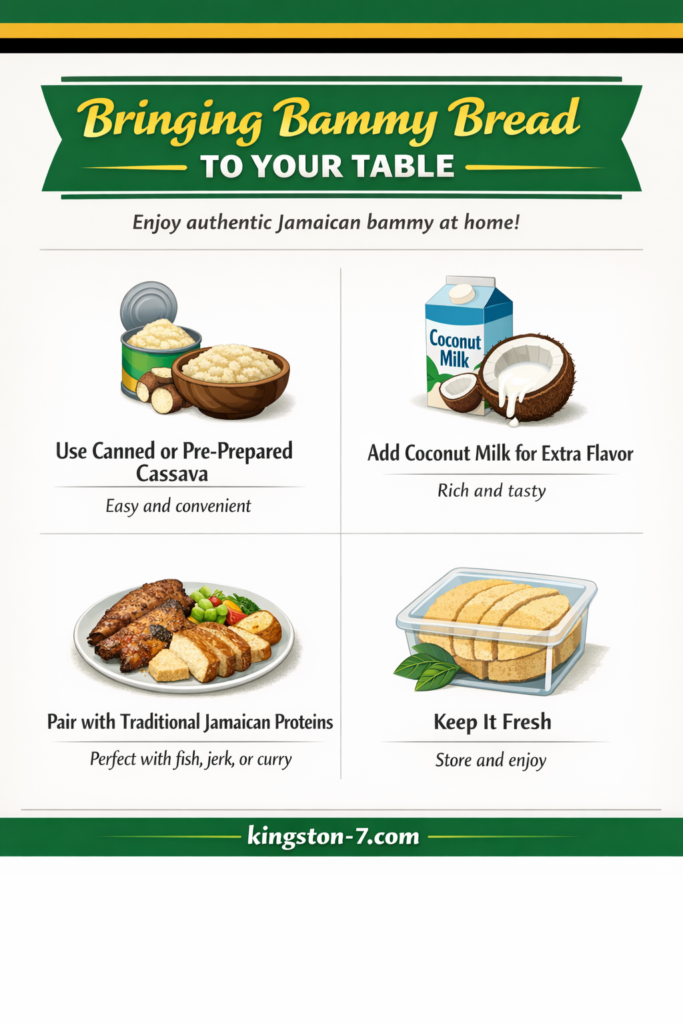
For those looking to recreate Jamaican vibes at home, bammy is approachable with a few tips:
1. Use Canned or Pre-Prepared Cassava for Convenience
If fresh cassava is difficult to find, many stores offer pre-grated or frozen versions.
2. Add Coconut Milk for Extra Flavor
Soaking or steaming bammy in coconut milk enhances its texture and adds a subtle sweetness.
3. Pair with Traditional Jamaican Proteins
Fried fish, escovitch fish, or even jerk meats complement bammy beautifully.
4. Keep It Fresh
Bammy is best enjoyed immediately after cooking. Leftovers can be lightly reheated or fried for a crisp alternative.
Bammy Bread at Restaurants
For those who want to experience authentic bammy without preparing it at home, Jamaican restaurants often showcase this traditional bread. When choosing a restaurant, consider:
- Authenticity: Traditional preparation and local ingredients.
- Freshness: Cooked to order, not pre-packaged.
- Cultural Presentation: Served with signature Jamaican sides for a complete experience.
Visiting a restaurant that specializes in Jamaican cuisine ensures that bammy is prepared with respect to its history and flavor.
Global Appeal of Jamaican Bammy
While less internationally famous than jerk chicken or ackee and saltfish, bammy has gained recognition among food enthusiasts exploring Caribbean cuisine. Its gluten-free nature and unique texture make it appealing to modern palates, especially those seeking authentic yet healthy alternatives to wheat bread.
Travelers visiting Kingston or other coastal towns often find bammy featured alongside seafood dishes at beachside cook shops, offering a taste of true island life.
Tips for Pairing Bammy Bread
Bammy pairs well with both savory and sweet flavors:
- Savory: Escovitch fish, fried snapper, curried shrimp
- Sweet: Coconut milk, honey, tropical fruit spreads
- Spicy: Jerk chicken or pepper sauces
Experimenting with pairings allows home cooks to bring Jamaican vibes to breakfast, lunch, or dinner.
Health Benefits of Bammy Bread
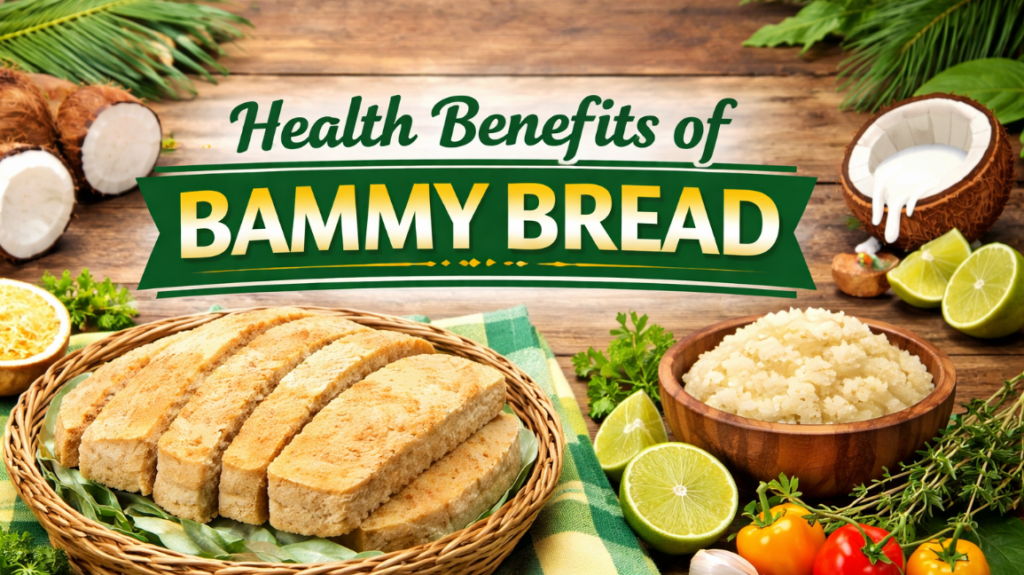
Cassava is naturally gluten-free and rich in carbohydrates, making bammy a filling and energy-sustaining food. Its low fat content (before frying) makes it suitable for balanced diets, especially when paired with protein-rich fish or stews.
Soaking in coconut milk adds healthy fats and flavor without relying on butter or oils, making bammy both traditional and nutritious.
Common Questions About Bammy Bread
Is bammy gluten-free?
Yes, cassava is naturally gluten-free.
Can bammy be made ahead of time?
It can be prepared in advance, though reheating may affect texture. Frying leftover bammy restores crispness.
What fish pairs best with bammy?
Fried snapper or escovitch fish are the most traditional choices.
Is it difficult to make at home?
Traditional preparation can be labor-intensive, but pre-grated cassava and simple steaming or frying make it approachable for beginners.
Why Bammy Bread Remains a Hidden Gem
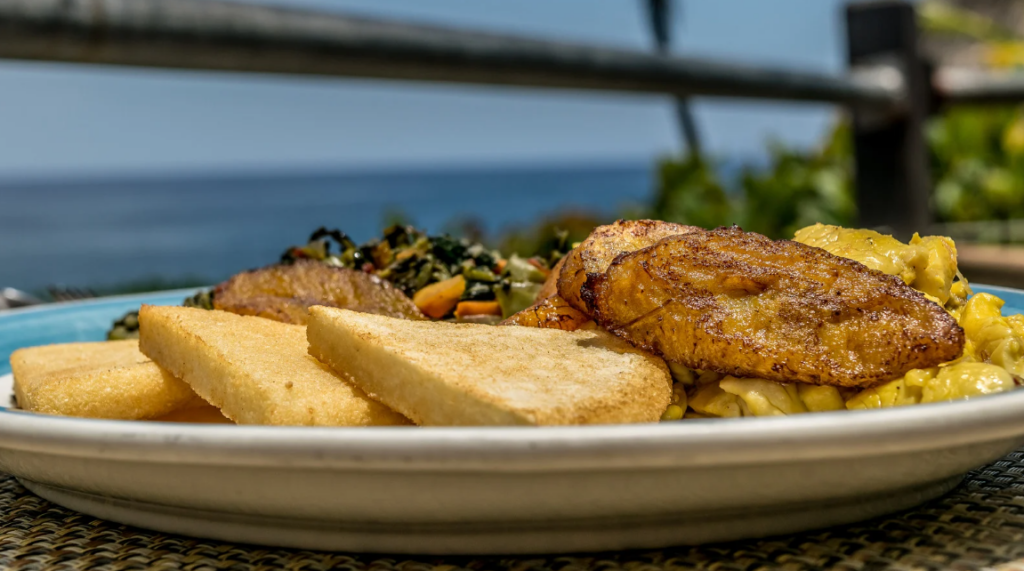
Bammy’s subtle flavor, cultural significance, and versatility make it a unique element of Jamaican cuisine. It may not always grab headlines like jerk chicken, but its presence on island tables tells a story of resilience, heritage, and culinary creativity.
For those looking to experience authentic Jamaican flavors or bring Caribbean vibes to a meal, bammy is an essential ingredient that connects history with modern dining.
Final Thoughts: Taste Jamaica’s Best-Kept Secret
Bammy bread is more than a flatbread—it’s a symbol of Jamaica’s indigenous roots, culinary ingenuity, and enduring traditions. From its cassava origins to its versatile role at the table, bammy offers a taste of the island’s history with every bite.For those eager to experience authentic Jamaican cuisine without the guesswork, visiting a restaurant that honors tradition is the perfect choice. Kingston 7 Jamaican Cuisine serves freshly prepared bammy alongside classic dishes, offering an immersive and flavorful journey into Jamaica’s culinary heritage. Whether enjoying it with fried fish, escovitch toppings, or coconut milk, bammy bread delivers the vibrant, tangy, and comforting flavors that define Jamaican food—and brings a true taste of the island to your plate.