

Planning an event often comes with one major question: how can you create a memorable experience without overspending? For many hosts, the answer seems simple at first—handle the food yourself. After all, if you skip hiring a caterer, you can avoid service fees and labor costs, right? That assumption has led countless people to explore DIY catering for weddings, birthdays, family reunions, graduation parties, corporate gatherings, and other special occasions.
While preparing your own food can seem like a budget-friendly choice, the reality is often more complicated. What looks affordable on paper can quickly become expensive once you factor in shopping, preparation, equipment, transportation, setup, serving, and cleanup. Before deciding whether to take the DIY route or invest in professional catering, it is worth understanding the true costs, challenges, and benefits of each option.
Why DIY Catering Looks Like a Budget-Friendly Win at First
The appeal of DIY catering is easy to understand. When hosts compare a catering quote to the cost of purchasing ingredients themselves, the savings can appear significant.
Some of the most common reasons people choose DIY catering include:
- Greater control over the menu
- The ability to shop for discounted ingredients
- Avoiding catering service fees
- A desire to prepare family recipes
- The belief that cooking personally adds a special touch
- Confidence in their cooking skills
- Flexibility to customize portions and selections
For smaller gatherings, these advantages may indeed help reduce costs. However, the situation often changes as guest counts increase and logistical demands become more complex.
Why People Do It
Many people view DIY catering as more than just a way to save money. It often feels personal, meaningful, and rewarding.
A family hosting a reunion may want to showcase generations of treasured recipes. A couple planning a wedding might believe preparing food themselves creates a more intimate experience. Others simply enjoy cooking and feel confident handling meals for a large group.
There is also a common perception that professional catering is a luxury reserved for large corporate functions or upscale weddings. This assumption can lead hosts to overlook the value that professional caterers bring beyond simply preparing food.
The truth is that food service involves much more than cooking. Successful event dining requires planning, coordination, timing, staffing, transportation, and execution—all factors that influence both cost and guest satisfaction.
The Grocery Bill Is Only the Beginning
One of the biggest misconceptions about DIY catering is that ingredients represent the total expense.
In reality, ingredients are just one piece of the puzzle.
Many hosts discover additional costs such as:
- Disposable plates, cups, and utensils
- Serving trays and chafing dishes
- Warming equipment
- Coolers and food storage containers
- Ice and beverages
- Transportation expenses
- Food safety supplies
- Extra refrigeration space
- Table linens and serving accessories
These purchases can add hundreds—or even thousands—of dollars to an event budget depending on the guest count.
Professional catering companies often include many of these necessities within their pricing structure, making their services more cost-effective than they initially appear.
The Time Investment Nobody Talks About
When calculating expenses, many people forget to assign value to their time.
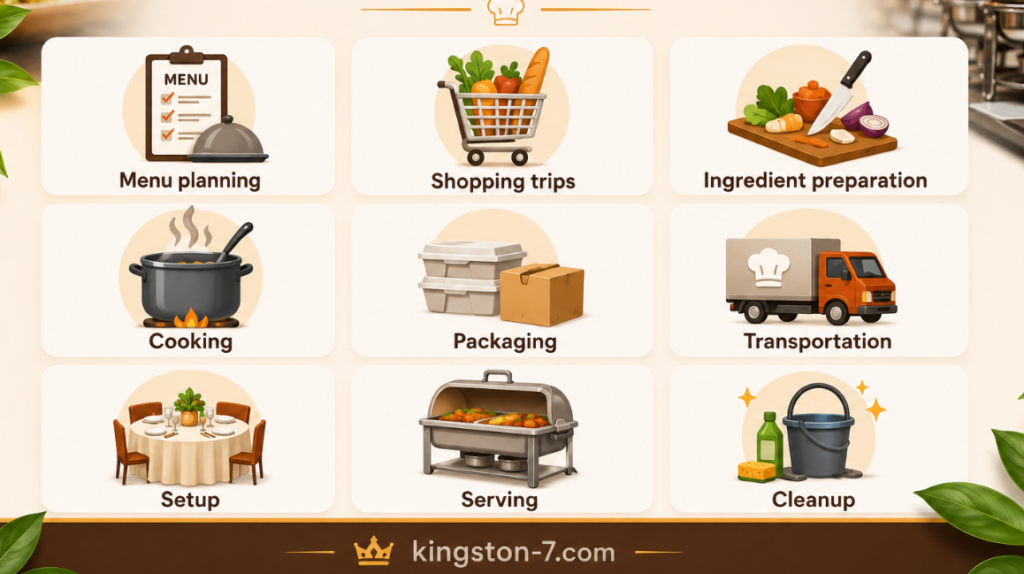
Preparing food for a large event can require:
- Menu planning
- Shopping trips
- Ingredient preparation
- Cooking
- Packaging
- Transportation
- Setup
- Serving
- Cleanup
What begins as a simple cost-saving strategy can quickly turn into dozens of hours of labor.
Consider a host preparing food for 100 guests. Shopping alone may require multiple trips. Food preparation could span several days. Setup and cleanup might consume an entire weekend.
By comparison, professional catering allows hosts to focus on guests, family, and the event itself rather than spending the day managing food operations.
The Hidden Cost of Stress During Your Event
Most hosts want to enjoy their special occasion.
Unfortunately, DIY catering often shifts attention away from the celebration and toward food management.
Questions begin piling up:
- Is there enough food?
- Is the food staying hot?
- Are guests being served?
- Is anything running low?
- Who is cleaning up?
Instead of creating memories, hosts frequently find themselves troubleshooting issues throughout the event.
Professional catering eliminates much of this burden by placing food service responsibilities in experienced hands. Rather than worrying about logistics, hosts can fully participate in the celebration.
What Happens When Guest Counts Grow?
Preparing food for 20 guests differs dramatically from preparing food for 100 or more.
As attendance increases, complexity rises exponentially.
Larger guest counts require:
- More storage space
- Larger cooking equipment
- Increased food transportation
- Additional serving stations
- Better food temperature control
- More organized service logistics
A menu that feels manageable for a small gathering can become overwhelming when multiplied across dozens or hundreds of guests.
This is where professional catering often provides a major advantage. Experienced teams are equipped to scale food production efficiently while maintaining consistency and quality.
The Food Waste Problem Most Hosts Never Anticipate
Food waste is another hidden expense that can impact overall savings.
Many DIY hosts struggle with estimating portions accurately.
Common outcomes include:
- Purchasing too much food and wasting leftovers
- Purchasing too little and running out during service
- Uneven portion sizes
- Excessive ingredient spoilage
Professional caterers typically have experience forecasting food quantities based on guest counts, event types, and menu selections.
This expertise can significantly reduce unnecessary spending while ensuring guests remain satisfied.
Can One Person Really Cook for an Entire Event?
The answer depends on the size and scope of the gathering.
For very small events, one person may successfully handle food preparation. However, larger celebrations often require multiple people working together.
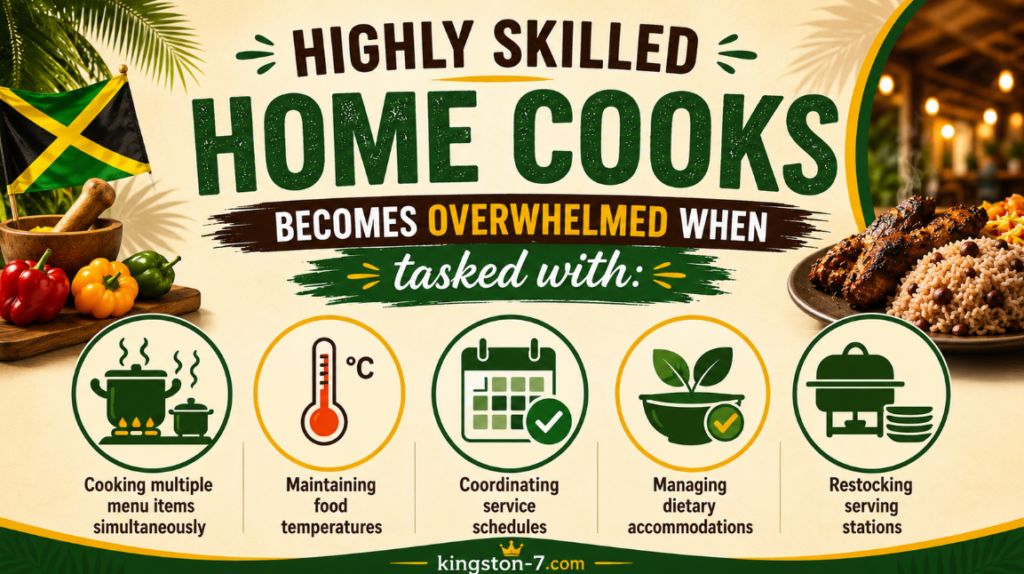
Even highly skilled home cooks can become overwhelmed when tasked with:
- Cooking multiple menu items simultaneously
- Maintaining food temperatures
- Coordinating service schedules
- Managing dietary accommodations
- Restocking serving stations
What starts as a solo project frequently turns into a team effort involving friends and family members.
Ironically, this can create additional stress for loved ones who were hoping to enjoy the event rather than work during it.
The Professional Catering Advantage Most Budgets Overlook
Many people focus exclusively on upfront costs when comparing options.
However, professional catering delivers value in several ways beyond food preparation.
Benefits often include:
- Menu planning assistance
- Food safety compliance
- Efficient service execution
- Reliable portion management
- Equipment availability
- Event-day staffing
- Setup and cleanup support
- Consistent food quality
When these benefits are considered collectively, professional catering may provide stronger overall value than expected.
The question shifts from “How much does catering cost?” to “How much time, stress, and risk does catering eliminate?”
Is Your Event Menu More Complicated Than You Think?
Simple menus are generally easier to manage independently.
However, many events involve multiple dishes, beverages, desserts, and dietary accommodations.
Complex menus may require:
- Separate preparation schedules
- Specialized cooking equipment
- Additional refrigeration
- Multiple serving temperatures
- Ingredient sourcing from different vendors
The more elaborate the menu becomes, the greater the logistical challenge.
Authentic Jamaican cuisine, for example, often involves carefully seasoned meats, traditional side dishes, fresh ingredients, and preparation techniques that require experience and attention to detail.
Professional caterers familiar with these dishes can deliver consistency while preserving authentic flavors.
The Cost of Last-Minute Problems
Unexpected issues are almost inevitable during event planning.
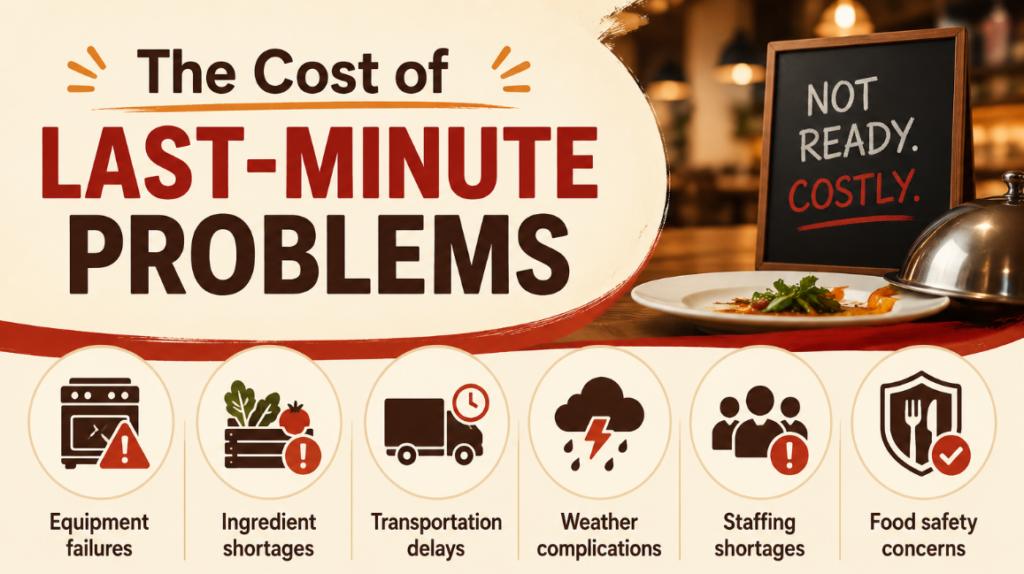
Potential challenges include:
- Equipment failures
- Ingredient shortages
- Transportation delays
- Weather complications
- Staffing shortages
- Food safety concerns
When handling DIY catering, the responsibility for solving these problems falls entirely on the host.
Professional catering teams typically have contingency plans and backup resources to address unexpected situations quickly and efficiently.
That preparation can prevent small problems from becoming major disruptions.
Real Challenges to Consider
Before choosing DIY catering, it is important to evaluate the realities involved.
Ask yourself:
- Do I have adequate cooking space?
- Can I safely store large quantities of food?
- Do I have transportation available?
- Will I need additional equipment?
- Who will help serve guests?
- Who will handle cleanup?
- Can I comfortably manage dietary restrictions?
- How much personal time am I willing to invest?
These practical considerations often determine whether DIY catering remains cost-effective or becomes overwhelming.
What Guests Notice More Than You Realize
Hosts often focus on decorations, entertainment, and venue details.
Guests, however, frequently remember the food experience.
They notice:
- Food quality
- Presentation
- Service efficiency
- Menu variety
- Temperature consistency
- Availability throughout the event
Even beautiful events can leave a disappointing impression if food service struggles.
Professional catering helps create a smoother experience that supports the overall success of the celebration.
How to Know If It Is Right for You
There is no universal answer when deciding between DIY catering and professional catering.
DIY catering may be a good fit if:
- The guest count is relatively small
- The menu is simple
- You enjoy cooking large quantities
- You have sufficient time for preparation
- You have reliable help available
Professional catering may be the better choice if:
- Guest counts exceed your comfort level
- The menu is complex
- You want to minimize stress
- You prefer enjoying the event rather than managing food
- Consistency and professionalism are priorities
The best decision depends on your goals, budget, timeline, and available resources.
What Is the True Cost of Doing Everything Yourself?
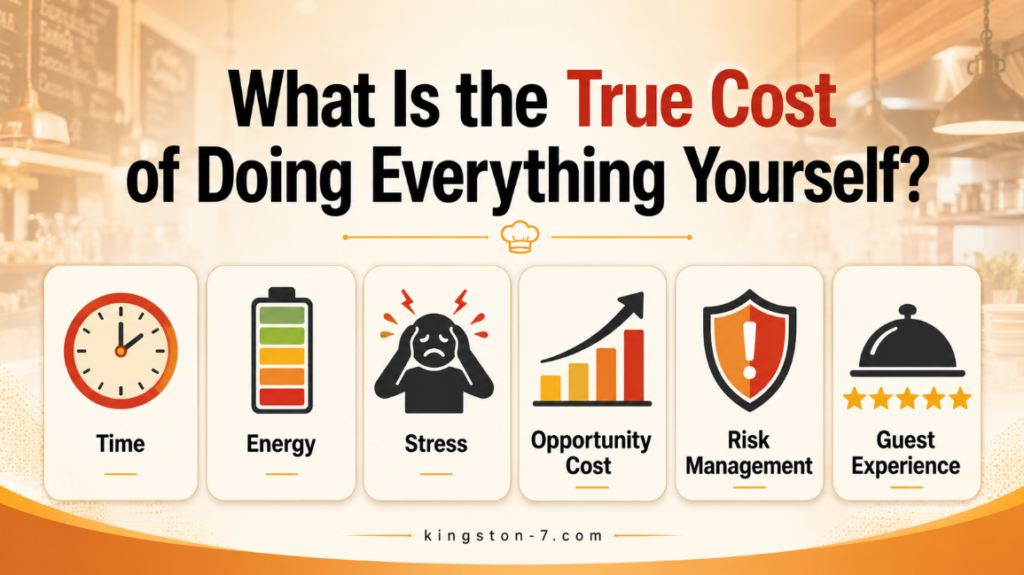
At the end of the day, cost is about more than money.
It also includes:
- Time
- Energy
- Stress
- Opportunity cost
- Risk management
- Guest experience
DIY catering may appear less expensive initially, but the total investment often extends far beyond groceries and ingredients.
When hosts evaluate the full picture, many discover that professional catering delivers far greater value than they originally expected.
Before You Decide, Consider What Your Time Is Worth
The biggest lesson many hosts learn is that saving money and creating convenience are not always the same thing.
DIY catering can work well for certain events, particularly smaller gatherings with straightforward menus and manageable guest counts. However, as events become larger and more complex, hidden expenses, time commitments, logistical challenges, and stress can quickly outweigh the anticipated savings. Understanding the complete picture allows hosts to make informed decisions that support both their budget and their event goals.
If you are planning an upcoming celebration and want authentic Jamaican flavors without the pressure of managing every detail yourself, Kingston 7 Jamaican Cuisine is ready to help. From flavorful entrées and traditional sides to professional service and seamless event support, our team helps create memorable experiences that allow you to focus on your guests instead of the kitchen. Contact Kingston 7 Jamaican Cuisine today and discover how professional Jamaican catering can elevate your next event.