
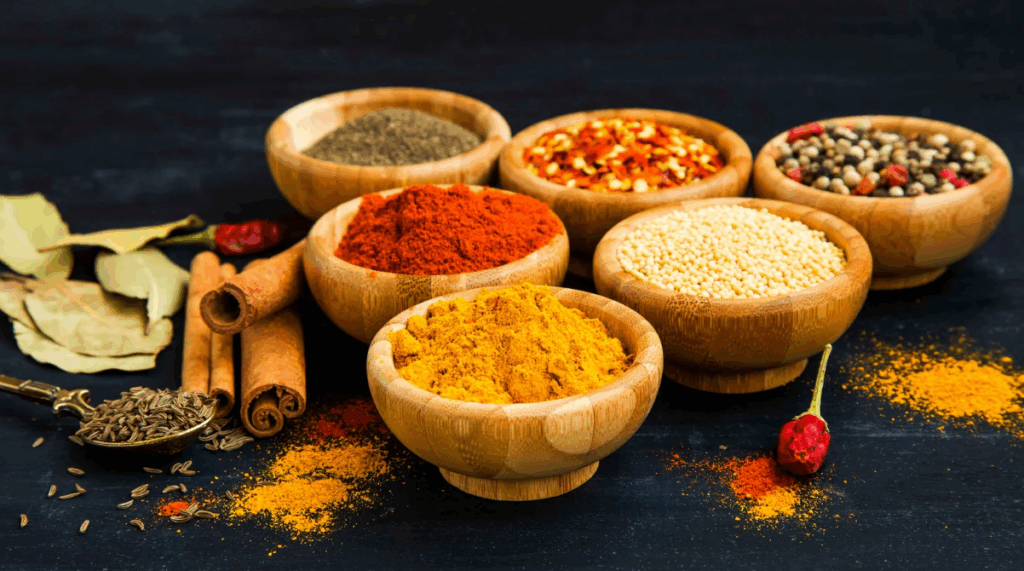
In Jamaica, flavor is more than taste—it’s a story carried in every dish. Each spice, from the heat of Scotch bonnet to the warmth of pimento, reflects centuries of migration, resilience, and cultural fusion. Every slow-simmered stew and richly seasoned marinade tells of the island’s diverse influences—African, Indian, European, and Indigenous—woven together into one vibrant culinary identity. Jamaican food isn’t just cooked; it’s composed with history and heart, turning every meal into an experience that connects the past with the present.
For Jamaicans, spices are the island’s heartbeat—a way of expressing community, joy, and pride. These seasonings embody the rhythm of daily life, from family gatherings to festive celebrations. Each flavor holds meaning, reminding people of their roots and the strength of their culture. Jamaican spices don’t just define local cuisine—they continue to inspire chefs and home cooks around the world, carrying the island’s soul across every plate they touch.
A Taste of History: How Jamaican Spices Were Born
To understand Jamaican cuisine, one must look back to the island’s layered history. Its flavors were born from centuries of blending—African roots, European influences, Indian traditions, and Indigenous techniques—all merging into something uniquely Jamaican.
When people of African descent arrived on the island during the colonial era, they carried with them deep knowledge of seasoning and preservation. They used the island’s natural bounty—local herbs, peppers, and spices—to recreate the comforting flavors of home. The Indigenous Taino people introduced smoking methods and native herbs, while later European and Asian influences added new ingredients to the mix. Indian migrants brought curry, turmeric, and other aromatic staples, completing the island’s diverse palette.
The result was something extraordinary: a true melting pot of spice and culture. Jamaica’s culinary history isn’t about imitation—it’s about creativity and adaptation. Every flavor used today carries the essence of endurance, pride, and freedom, shaped by generations who turned food into a celebration of identity.
The Holy Trinity of Jamaican Spices: Scotch Bonnet, Pimento, and Thyme
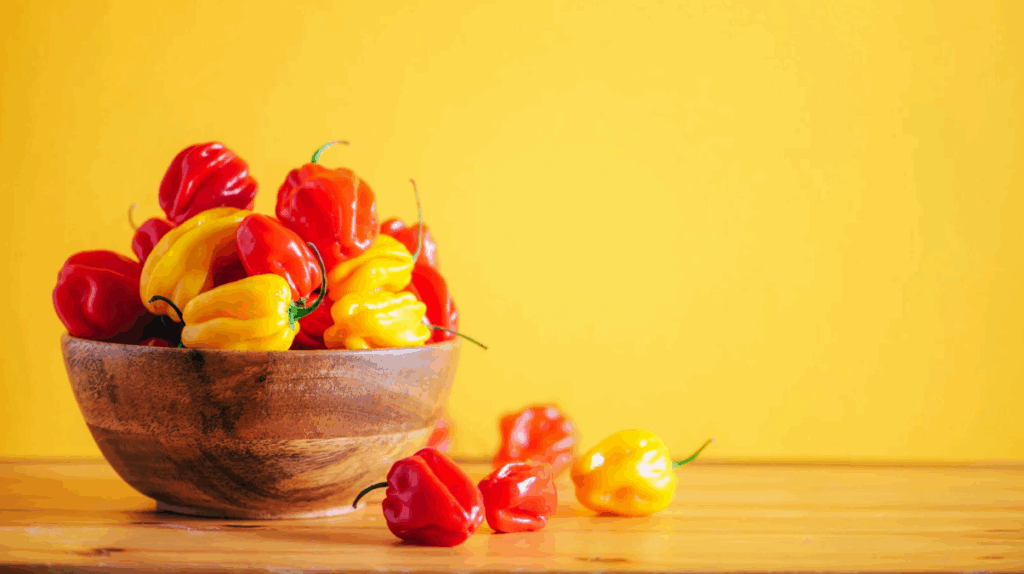
Few ingredients capture the essence of Jamaican cooking quite like the fiery Scotch bonnet, aromatic pimento, and earthy thyme—three staples that form the flavorful foundation of the island’s cuisine.
1. Scotch Bonnet Pepper – The Heat of the Island
If there’s one spice that captures Jamaica’s energy, it’s the Scotch bonnet pepper. Bright, fiery, and full of personality, this pepper gives Jamaican food its unmistakable heat and aroma. Unlike ordinary chili peppers, Scotch bonnets have a fruity undertone—almost like tropical sunshine with a kick.
But beyond the heat, Scotch bonnet symbolizes boldness and joy. We Jamaicans aren’t afraid of flavor or spice. The pepper represents our spirit: strong, vibrant, and full of life. You’ll find it in jerk seasoning, pepper sauce, soups, and even some seafood dishes.
It’s not just tasty—it’s good for you too. Rich in vitamin C and capsaicin, Scotch bonnets boost immunity, metabolism, and circulation. So the next time you feel that burn, know that Jamaica’s favorite pepper isn’t just about fire—it’s about vitality.
2. Pimento (Allspice) – Jamaica’s Gift to the World
Known globally as allspice, pimento is Jamaica’s signature seasoning—and one of the island’s most important exports. Grown primarily in Jamaica’s hills, pimento has a warm, deep aroma that combines notes of cinnamon, nutmeg, and clove all in one. That’s why it’s called “allspice.”
Historically, pimento was so valuable that it was traded across Europe in the 17th and 18th centuries. It became the heart of jerk seasoning, used to marinate meats and flavor stews. Today, it remains the foundation of Jamaican cooking—symbolizing unity and balance. Just as allspice brings multiple flavors together, Jamaica’s culture unites people from many backgrounds into one shared identity.
3. Fresh Thyme – The Everyday Essential
No Jamaican kitchen is complete without fresh thyme. It’s subtle, earthy, and deeply aromatic—a quiet hero in almost every dish. From soups and stews to rice and peas, thyme ties flavors together in a way that feels both familiar and comforting.
Its roots trace back to African and Mediterranean traditions, where thyme was used for both cooking and healing. In Jamaica, we inherited those uses, blending thyme into our seasoning bases and herbal teas alike. Every household grows a little thyme in the backyard—it’s a reminder of home, heritage, and the art of simple, soulful cooking.
Curry, Turmeric, and the Indian Influence
When Indian indentured laborers arrived in Jamaica in the 1800s, they brought with them a love for spices like curry, cumin, and turmeric. Over time, Jamaicans made these flavors their own, blending them with local herbs, Scotch bonnet, and pimento to create a uniquely island-style curry.
Jamaican curry powder tends to be brighter in color and slightly more peppery than its Indian counterpart. It’s less creamy, more robust, and often used to marinate meats before slow-cooking. Dishes like curry goat, curry chicken, and curry shrimp are staples at family gatherings, weddings, and Sunday dinners.
Turmeric, with its rich golden hue, adds more than just color—it’s known for its anti-inflammatory and healing properties, used traditionally in both Indian and Jamaican home remedies. Together, these spices remind us how migration shaped our cuisine and how flavor can connect cultures across oceans.
The Hidden Stars: Nutmeg, Ginger, and Cinnamon
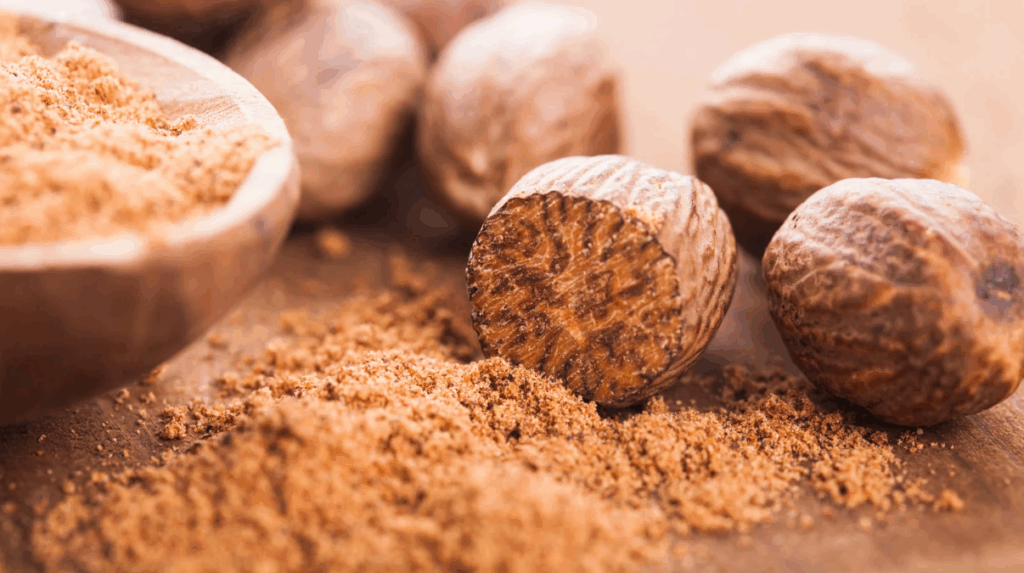
Not all Jamaican spices bring fiery heat—some tell their story through warmth, sweetness, and comfort. Nutmeg, ginger, and cinnamon may not demand attention like Scotch bonnet, but they hold a deep cultural significance that reflects Jamaica’s soulful side.
- Nutmeg – The Comfort Spice: Known for its rich, nutty aroma, nutmeg adds warmth to porridges, puddings, and rum punch. It’s often called the “comfort spice” because its scent evokes feelings of home, rest, and celebration. Nutmeg embodies the cozy, nurturing side of Jamaican life—where food is as much about connection as it is about flavor.
- Ginger – The Spice and the Healer: Valued for both its heat and medicinal power, ginger plays a dual role in Jamaican kitchens. It’s steeped in teas, baked into cakes, blended into sauces, and brewed into the island’s beloved ginger beer. Beyond taste, ginger symbolizes vitality and resilience, reminding Jamaicans that food can nourish both body and spirit.
- Cinnamon – The Gentle Balancer: With its sweet, woody fragrance, cinnamon adds harmony to the boldness of Jamaican flavors. It’s used in desserts, breakfast dishes, and even savory stews, offering balance and depth. Cinnamon’s presence captures the softer, comforting rhythm of Jamaican cuisine—where sweetness and spice coexist beautifully.
Beyond the Kitchen: The Cultural Meaning of Spice
In Jamaica, spice isn’t limited to food—it’s part of our identity. The way we cook, share, and talk about flavor reflects our approach to life: bold, passionate, and full of soul.
Spices represent community and connection. Preparing jerk or curry often becomes a group activity—families grinding pimento, chopping herbs, or tending to the grill together. Each person adds their own touch, their own story.
There’s also a spiritual and healing side to spice. Many Jamaicans still turn to bush medicine—teas made with ginger, cinnamon, or turmeric to treat colds, pain, or fatigue. Cooking with herbs and spices is seen as a way of caring for both body and spirit.
Even in the diaspora, Jamaican spices bridge the distance. When Jamaicans abroad cook with Scotch bonnet or allspice, they’re instantly transported home. The aroma alone carries memories of family gatherings, music, and the island breeze.
So, our spices aren’t just ingredients—they’re living traditions. They tell stories of migration, resistance, love, and belonging.
Jamaican Spices on the Global Stage
Today, Jamaican spices have traveled far beyond our shores. From London to New York to Tokyo, people are falling in love with the bold, authentic flavors of Jamaica. You’ll find jerk chicken at street festivals, curry goat at fine dining restaurants, and pimento spice blends in gourmet markets worldwide.
This global love affair with Jamaican cuisine speaks to the power of our culture. Our food connects people—it invites curiosity, joy, and unity. Chefs across the world experiment with Jamaican flavors, infusing them into tacos, pasta, and even sushi, but the heart of it remains the same: respect for spice and heritage.
Modern Jamaican chefs are also redefining tradition—using local, sustainable ingredients and fusing global techniques while staying true to the island’s roots. The world may adapt our flavors, but it’s our authenticity and storytelling that keep people coming back for more.
From the hills of St. Ann to kitchens across the globe, Jamaican spices continue to inspire, proving that our culture’s flavor is as timeless as it is powerful.
Every Spice Tells a Story
In Jamaica, every spice holds a story worth savoring. Our cuisine is a reflection of who we are—vibrant, diverse, and full of life. Each ingredient, from the humble thyme leaf to the fiery Scotch bonnet, carries the wisdom of generations.
At Kingston 7 Jamaican Cuisine, we season not just with spices but with memories—with the laughter of Sunday dinners, the rhythm of reggae in the background, and the pride of representing an island that gave the world so much flavor.Food, for us, is connection. It’s how we celebrate, remember, and share love. So the next time you taste a bite of Jamaican jerk or a spoonful of curry, remember—you’re not just tasting spice. You’re tasting centuries of culture, courage, and creativity, all in one delicious story.